EX-99.3
Published on November 4, 2026

EVO570: Potential Best-in-Class VAV1 Molecular Glue Degrader JAK-like efficacy with improved safety could position VAV1 to compete broadly in established JAK markets and beyond © Evommune, Inc.
Disclaimers This presentation has been prepared by Evommune, Inc. (“we”, “us” or “our”) and contains forward-looking statements, including: statements about our expectations regarding EVO570, which include the potential results, design, objectives, initiation, timing and progress of current and future preclinical studies, clinical trials and programs, and the market potential and future commercialization of EVO570. These statements involve substantial known and unknown risks, uncertainties and other factors that may cause our actual results, levels of activity, performance or achievements to be materially different from the information expressed or implied by these forward-looking statements. We may not actually achieve the plans, intentions or expectations disclosed in our forward-looking statements, and you should not place undue reliance on our forward-looking statements. Actual results or events could differ materially from the plans, intentions and expectations disclosed in the forward-looking statements we make. These and other risks are described more fully in our Annual Report on Form 10-K for the year ended December 31, 2025, and our other filings with the Securities and Exchange Commission (the “SEC”) and our other documents subsequently filed with or furnished to the SEC. All forward-looking statements represent our views as of the date of this presentation. All forward-looking statements contained in this presentation speak only as of the date on which they were made. Except to the extent required by law, we undertake no obligation to update such statements to reflect events that occur or circumstances that exist after the date on which they were made. This presentation also contains estimates made by independent parties relating to industry market size and other data. These estimates involve a number of assumptions and limitations, and you are cautioned not to give undue weight on such estimates. We have not independently verified the accuracy or completeness of such information and we do not take any responsibility with the accuracy or completeness of such information. Any trademarks included in this presentation are the property of the owners thereof and are used for reference purposes only. © Evommune, Inc.
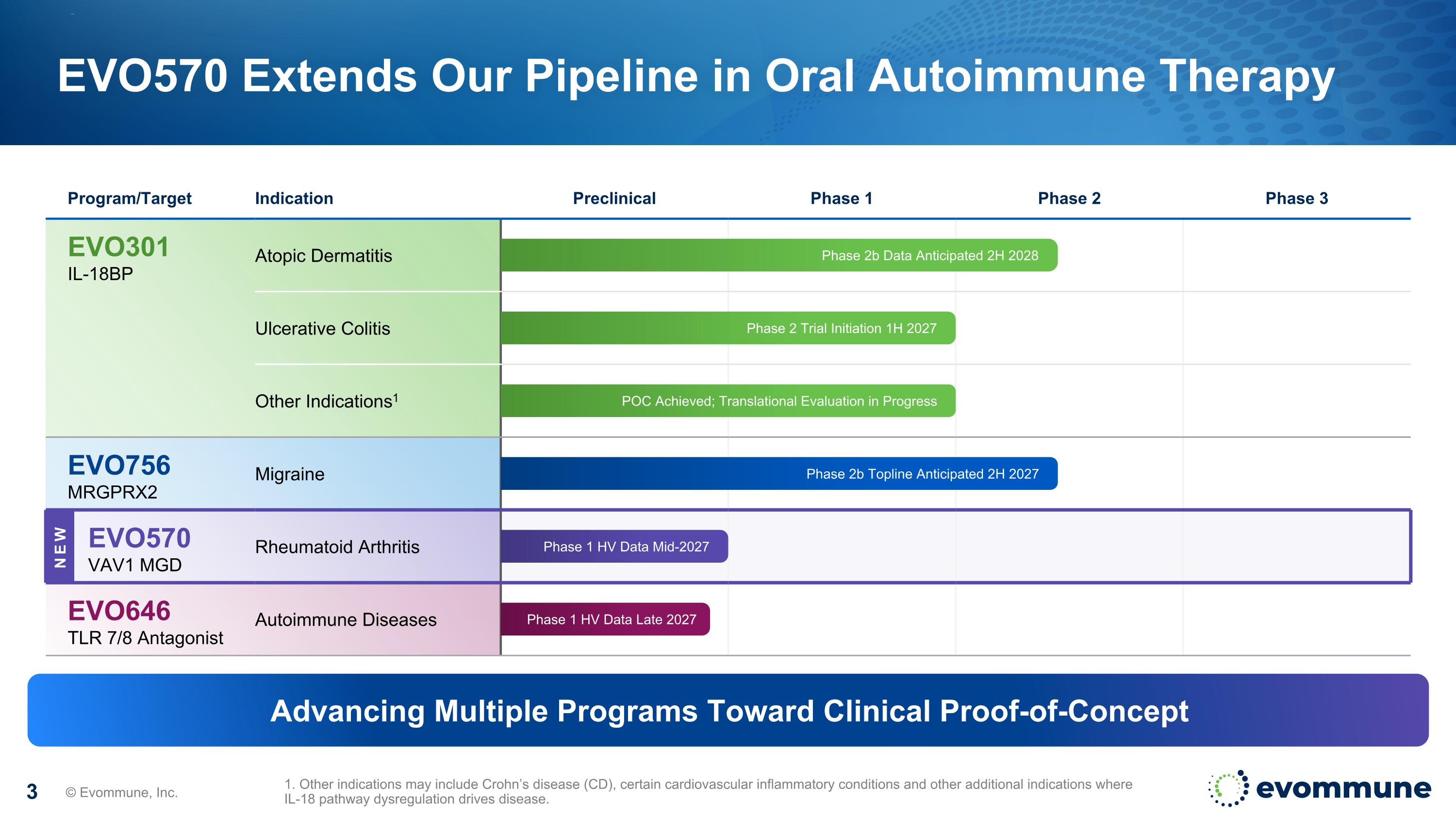
Advancing Multiple Programs Toward Clinical Proof-of-Concept Program/Target Indication Preclinical Phase 1 Phase 2 Phase 3 EVO301 IL-18BP Atopic Dermatitis Ulcerative Colitis Other Indications1 EVO756 MRGPRX2 Migraine EVO570 VAV1 MGD Rheumatoid Arthritis EVO646 TLR 7/8 Antagonist Autoimmune Diseases EVO570 Extends Our Pipeline in Oral Autoimmune Therapy © Evommune, Inc. 1. Other indications may include Crohn’s disease (CD), certain cardiovascular inflammatory conditions and other additional indications where IL-18 pathway dysregulation drives disease. Phase 2b Data Anticipated 2H 2028 Phase 2 Trial Initiation 1H 2027 Phase 2b Topline Anticipated 2H 2027 POC Achieved; Translational Evaluation in Progress Phase 1 HV Data Late 2027 Phase 1 HV Data Mid-2027 NEW
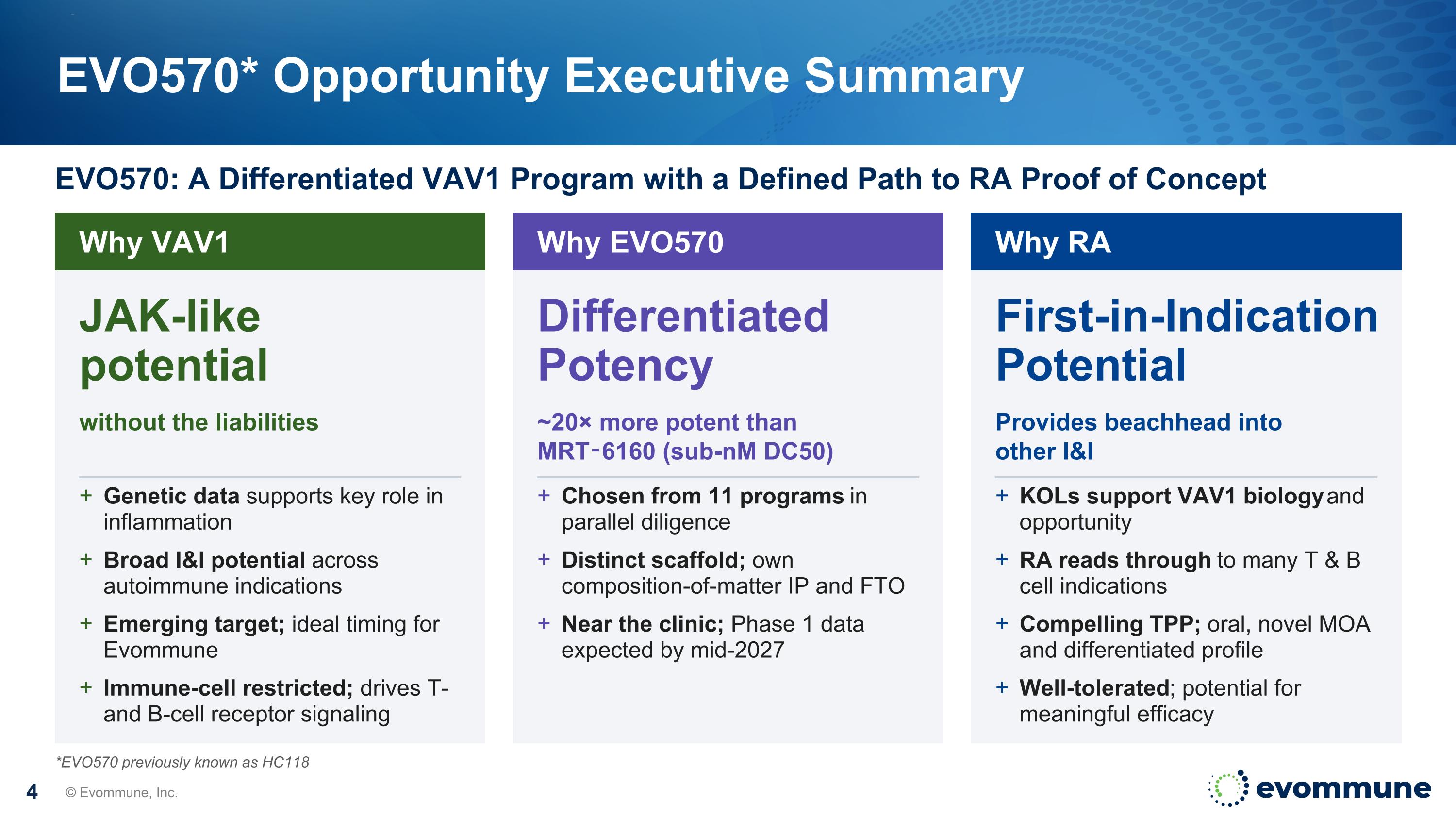
EVO570* Opportunity Executive Summary © Evommune, Inc. Why VAV1 JAK-like potential without the liabilities Genetic data supports key role in inflammation Broad I&I potential across autoimmune indications Emerging target; ideal timing for Evommune Immune-cell restricted; drives T- and B-cell receptor signaling Why RA First-in-Indication Potential Provides beachhead into other I&I KOLs support VAV1 biology and opportunity RA reads through to many T & B cell indications Compelling TPP; oral, novel MOA and differentiated profile Well-tolerated; potential for meaningful efficacy Why EVO570 Differentiated Potency ~20× more potent than MRT‑6160 (sub-nM DC50) Chosen from 11 programs in parallel diligence Distinct scaffold; own composition-of-matter IP and FTO Near the clinic; Phase 1 data expected by mid-2027 EVO570: A Differentiated VAV1 Program with a Defined Path to RA Proof of Concept *EVO570 previously known as HC118
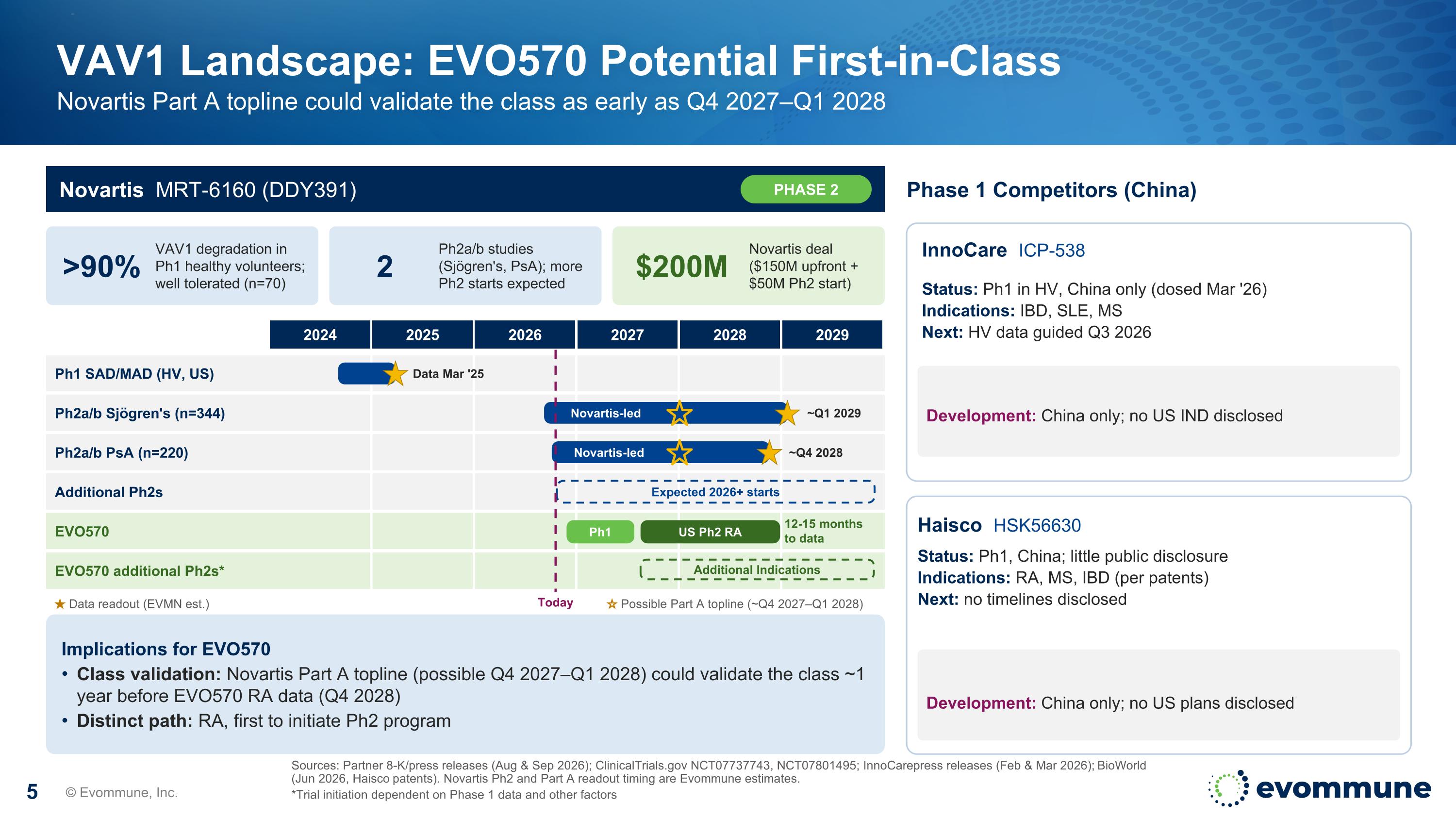
VAV1 Landscape: EVO570 Potential First-in-Class Novartis Part A topline could validate the class as early as Q4 2027–Q1 2028 © Evommune, Inc. Sources: Partner 8-K/press releases (Aug & Sep 2026); ClinicalTrials.gov NCT07737743, NCT07801495; InnoCare press releases (Feb & Mar 2026); BioWorld (Jun 2026, Haisco patents). Novartis Ph2 and Part A readout timing are Evommune estimates. *Trial initiation dependent on Phase 1 data and other factors Novartis MRT-6160 (DDY391) PHASE 2 >90% VAV1 degradation in Ph1 healthy volunteers; well tolerated (n=70) 2 Ph2a/b studies (Sjögren's, PsA); more Ph2 starts expected $200M Novartis deal ($150M upfront + $50M Ph2 start) 2024 2025 2026 2027 2028 2029 Ph1 SAD/MAD (HV, US) Ph2a/b Sjögren's (n=344) Ph2a/b PsA (n=220) Additional Ph2s EVO570 EVO570 additional Ph2s* Additional Indications Data Mar '25 Novartis-led ~Q1 2029 Novartis-led ~Q4 2028 Expected 2026+ starts Ph1 US Ph2 RA 12-15 months to data Today ★ Data readout (EVMN est.) Implications for EVO570 Class validation: Novartis Part A topline (possible Q4 2027–Q1 2028) could validate the class ~1 year before EVO570 RA data (Q4 2028) Distinct path: RA, first to initiate Ph2 program Phase 1 Competitors (China) InnoCare ICP-538 Status: Ph1 in HV, China only (dosed Mar '26) Indications: IBD, SLE, MS Next: HV data guided Q3 2026 Development: China only; no US IND disclosed Haisco HSK56630 Status: Ph1, China; little public disclosure Indications: RA, MS, IBD (per patents) Next: no timelines disclosed Development: China only; no US plans disclosed ☆ Possible Part A topline (~Q4 2027–Q1 2028)
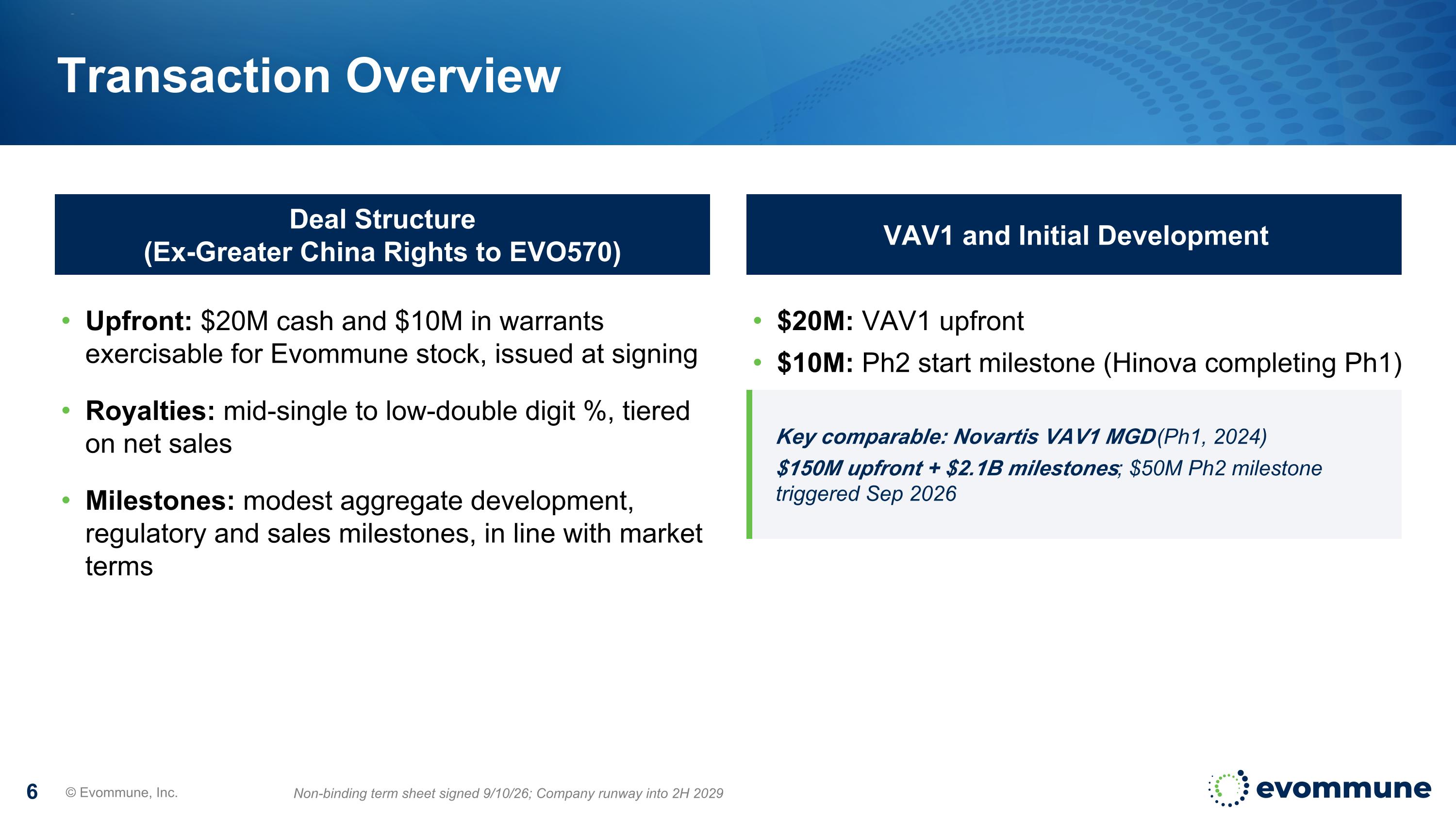
Transaction Overview © Evommune, Inc. Non-binding term sheet signed 9/10/26; Company runway into 2H 2029 Deal Structure (Ex-Greater China Rights to EVO570) VAV1 and Initial Development Upfront: $20M cash and $10M in warrants exercisable for Evommune stock, issued at signing Royalties: mid-single to low-double digit %, tiered on net sales Milestones: modest aggregate development, regulatory and sales milestones, in line with market terms $20M: VAV1 upfront $10M: Ph2 start milestone (Hinova completing Ph1) Key comparable: Novartis VAV1 MGD (Ph1, 2024) $150M upfront + $2.1B milestones; $50M Ph2 milestone triggered Sep 2026

VAV1 Overview © Evommune, Inc.
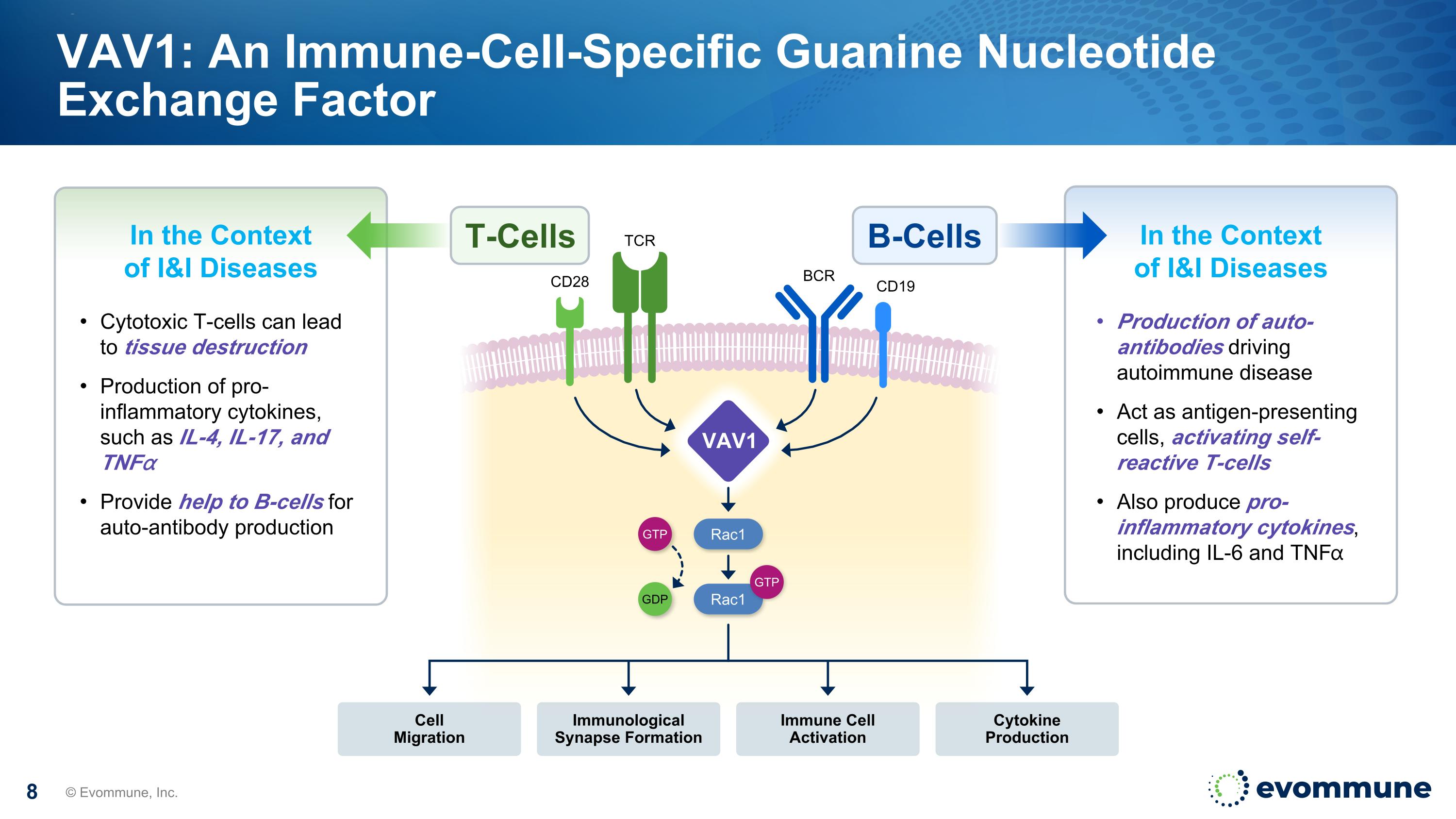
BCR CD19 TCR CD28 VAV1 Rac1 Rac1 GTP GDP GTP VAV1: An Immune-Cell-Specific Guanine Nucleotide Exchange Factor © Evommune, Inc. T-Cells B-Cells In the Context of I&I Diseases Cytotoxic T-cells can lead to tissue destruction Production of pro-inflammatory cytokines, such as IL-4, IL-17, and TNF⍺ Provide help to B-cells for auto-antibody production In the Context of I&I Diseases Production of auto-antibodies driving autoimmune disease Act as antigen-presenting cells, activating self-reactive T-cells Also produce pro-inflammatory cytokines, including IL-6 and TNF⍺ Cell Migration Immunological Synapse Formation Immune Cell Activation Cytokine Production
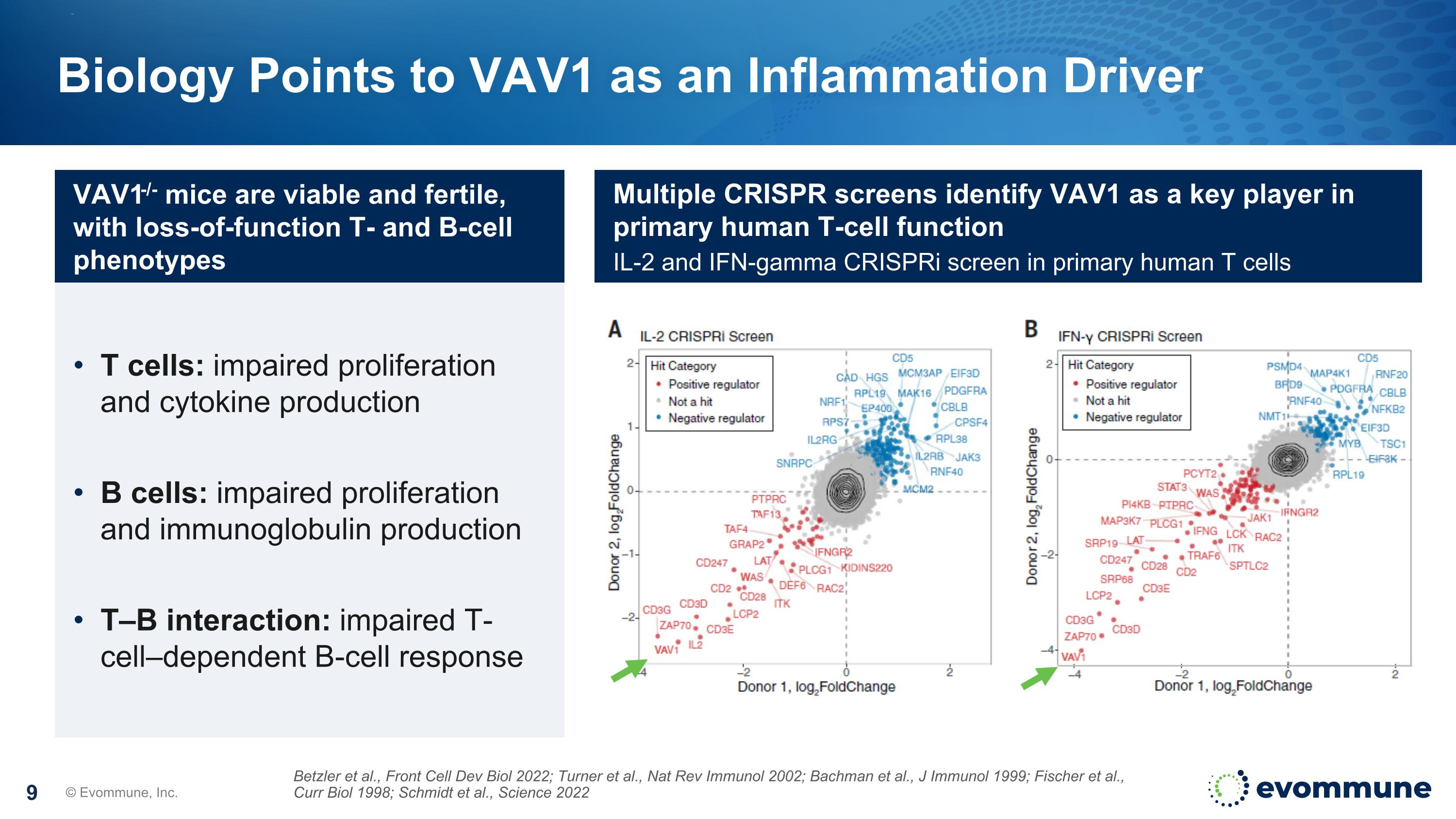
Biology Points to VAV1 as an Inflammation Driver © Evommune, Inc. Betzler et al., Front Cell Dev Biol 2022; Turner et al., Nat Rev Immunol 2002; Bachman et al., J Immunol 1999; Fischer et al., Curr Biol 1998; Schmidt et al., Science 2022 VAV1-/- mice are viable and fertile, with loss-of-function T- and B-cell phenotypes Multiple CRISPR screens identify VAV1 as a key player in primary human T-cell function IL-2 and IFN-gamma CRISPRi screen in primary human T cells T cells: impaired proliferation and cytokine production B cells: impaired proliferation and immunoglobulin production T–B interaction: impaired T-cell–dependent B-cell response
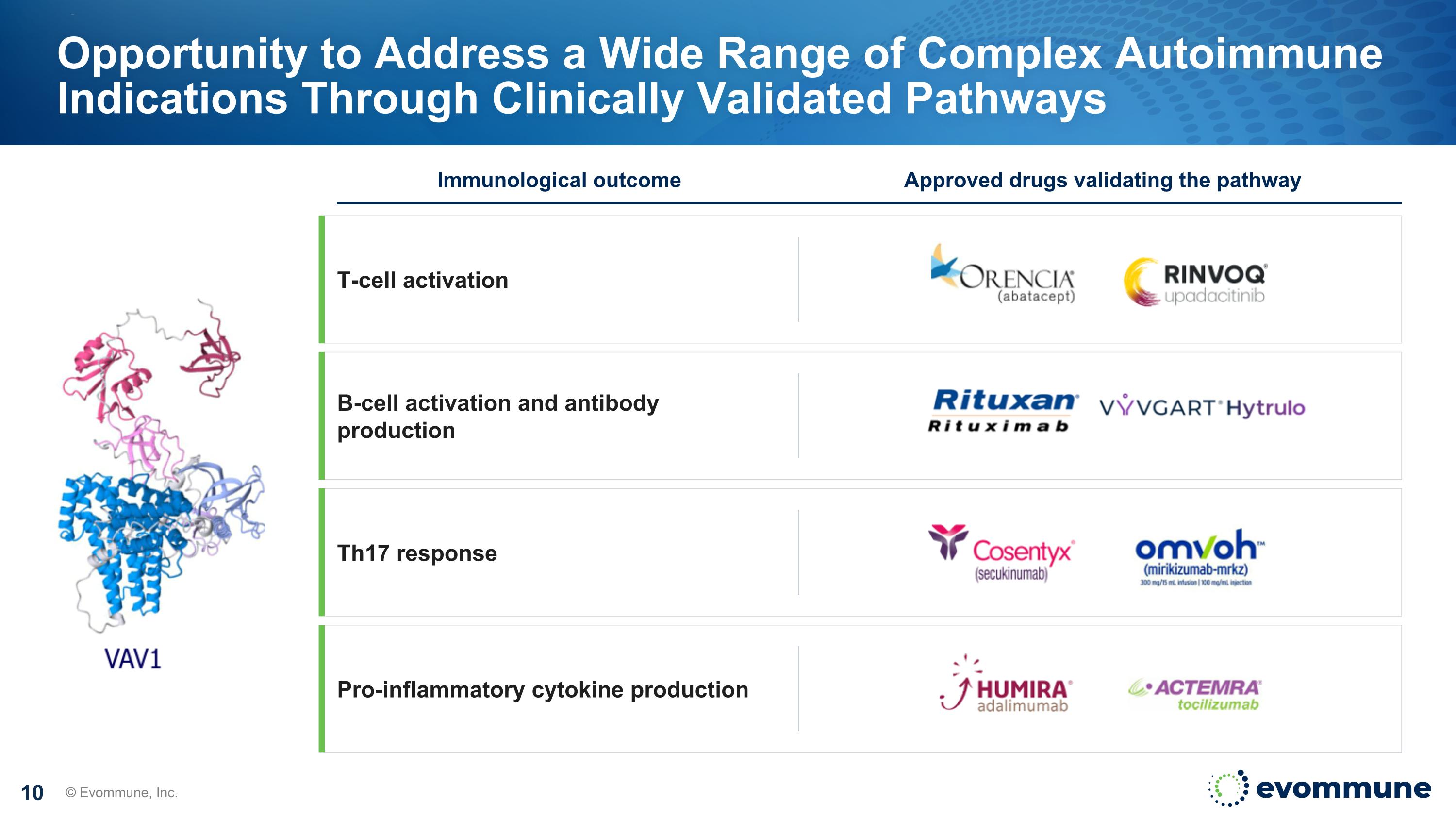
Opportunity to Address a Wide Range of Complex Autoimmune Indications Through Clinically Validated Pathways © Evommune, Inc. Immunological outcome Approved drugs validating the pathway T-cell activation B-cell activation and antibody production Th17 response Pro-inflammatory cytokine production
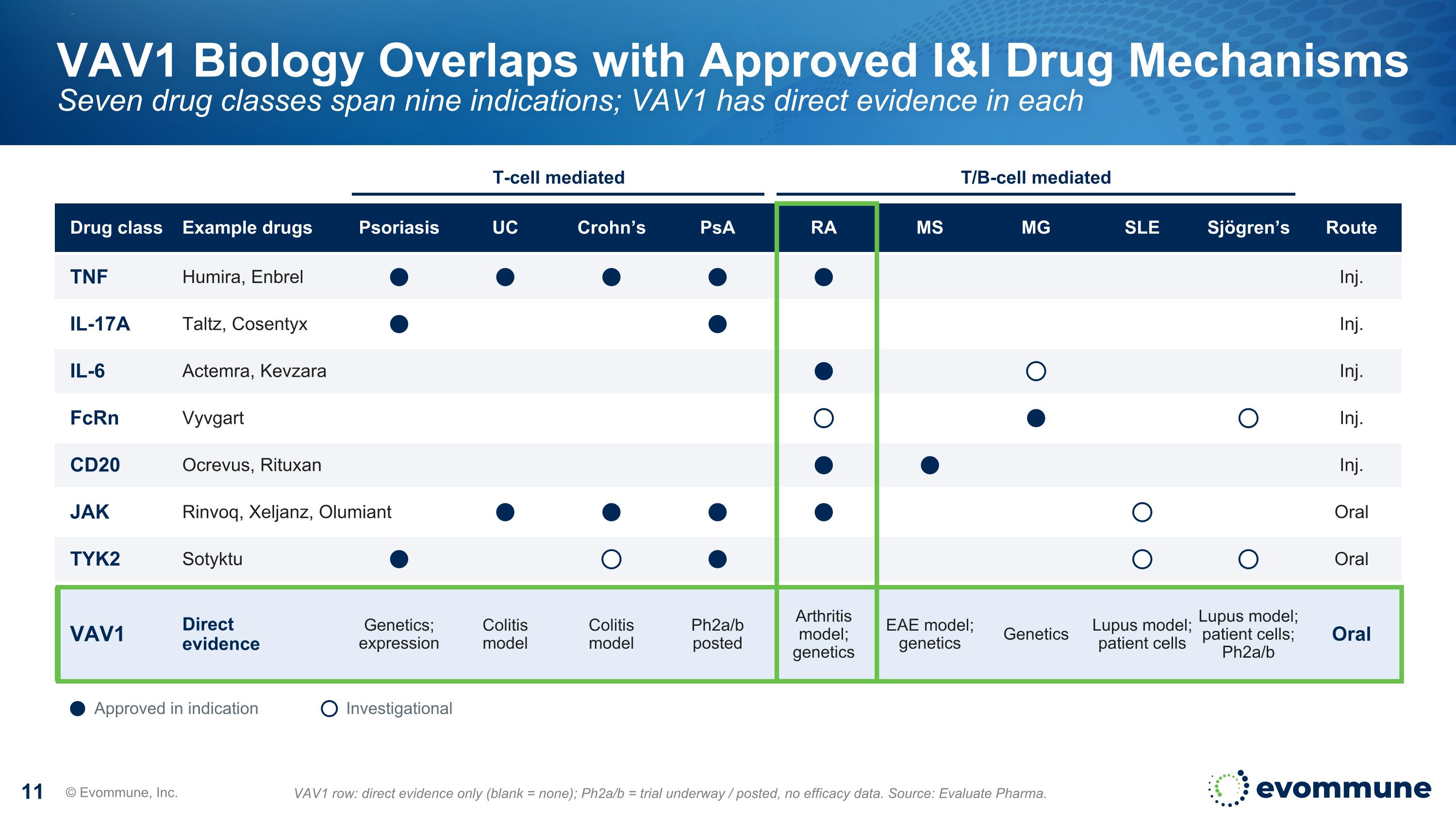
VAV1 Biology Overlaps with Approved I&I Drug Mechanisms Seven drug classes span nine indications; VAV1 has direct evidence in each © Evommune, Inc. VAV1 row: direct evidence only (blank = none); Ph2a/b = trial underway / posted, no efficacy data. Source: Evaluate Pharma. T-cell mediated T/B-cell mediated Drug class Example drugs Psoriasis UC Crohn’s PsA RA MS MG SLE Sjögren’s Route TNF Humira, Enbrel Inj. IL-17A Taltz, Cosentyx Inj. IL-6 Actemra, Kevzara Inj. FcRn Vyvgart Inj. CD20 Ocrevus, Rituxan Inj. JAK Rinvoq, Xeljanz, Olumiant Oral TYK2 Sotyktu Oral VAV1 Direct evidence Genetics; expression Colitis model Colitis model Ph2a/b posted Arthritis model; genetics EAE model; genetics Genetics Lupus model; patient cells Lupus model; patient cells; Ph2a/b Oral Approved in indication Investigational
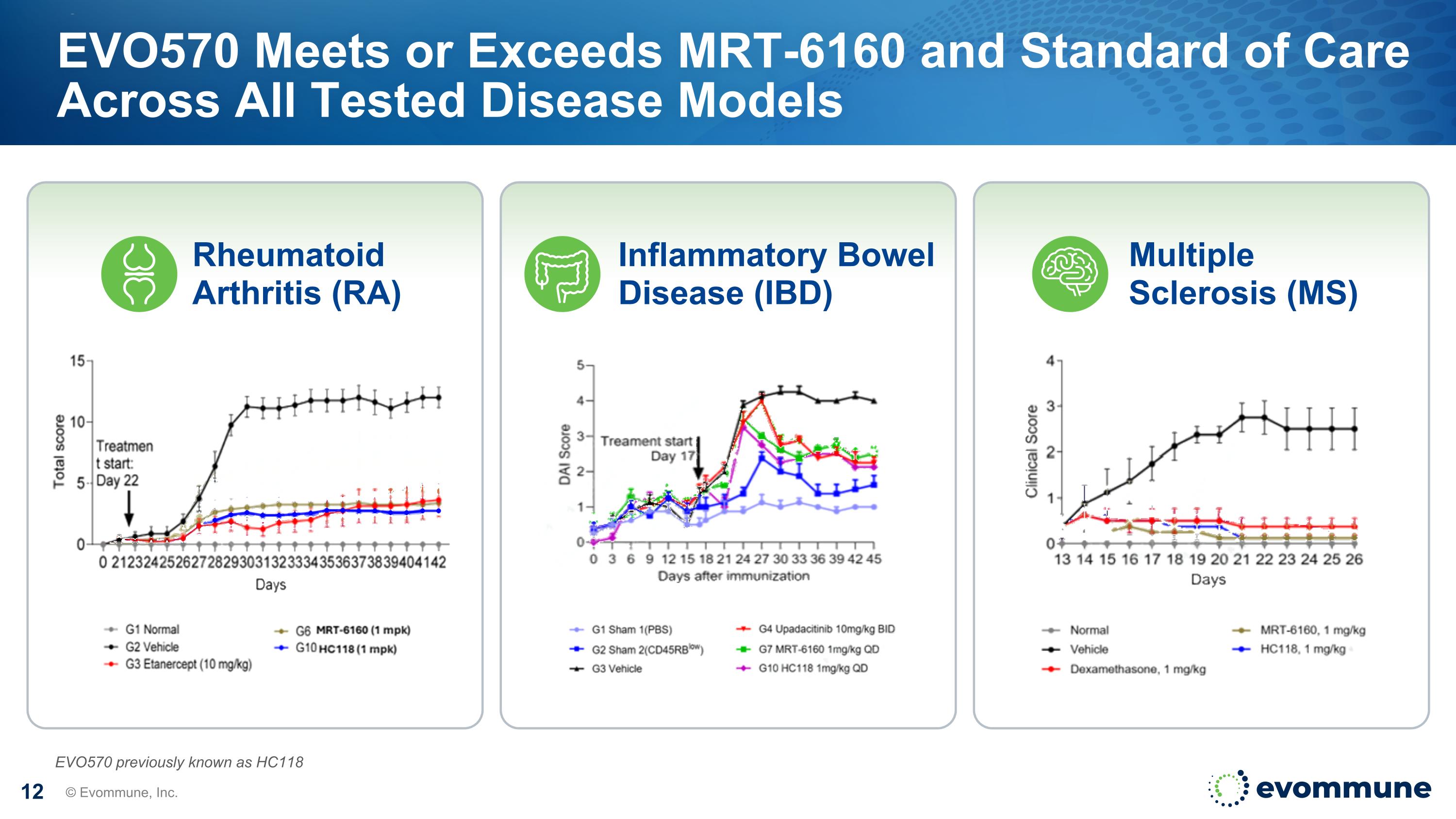
EVO570 Meets or Exceeds MRT-6160 and Standard of Care Across All Tested Disease Models © Evommune, Inc. Multiple Sclerosis (MS) Rheumatoid Arthritis (RA) Inflammatory Bowel Disease (IBD) EVO570 previously known as HC118
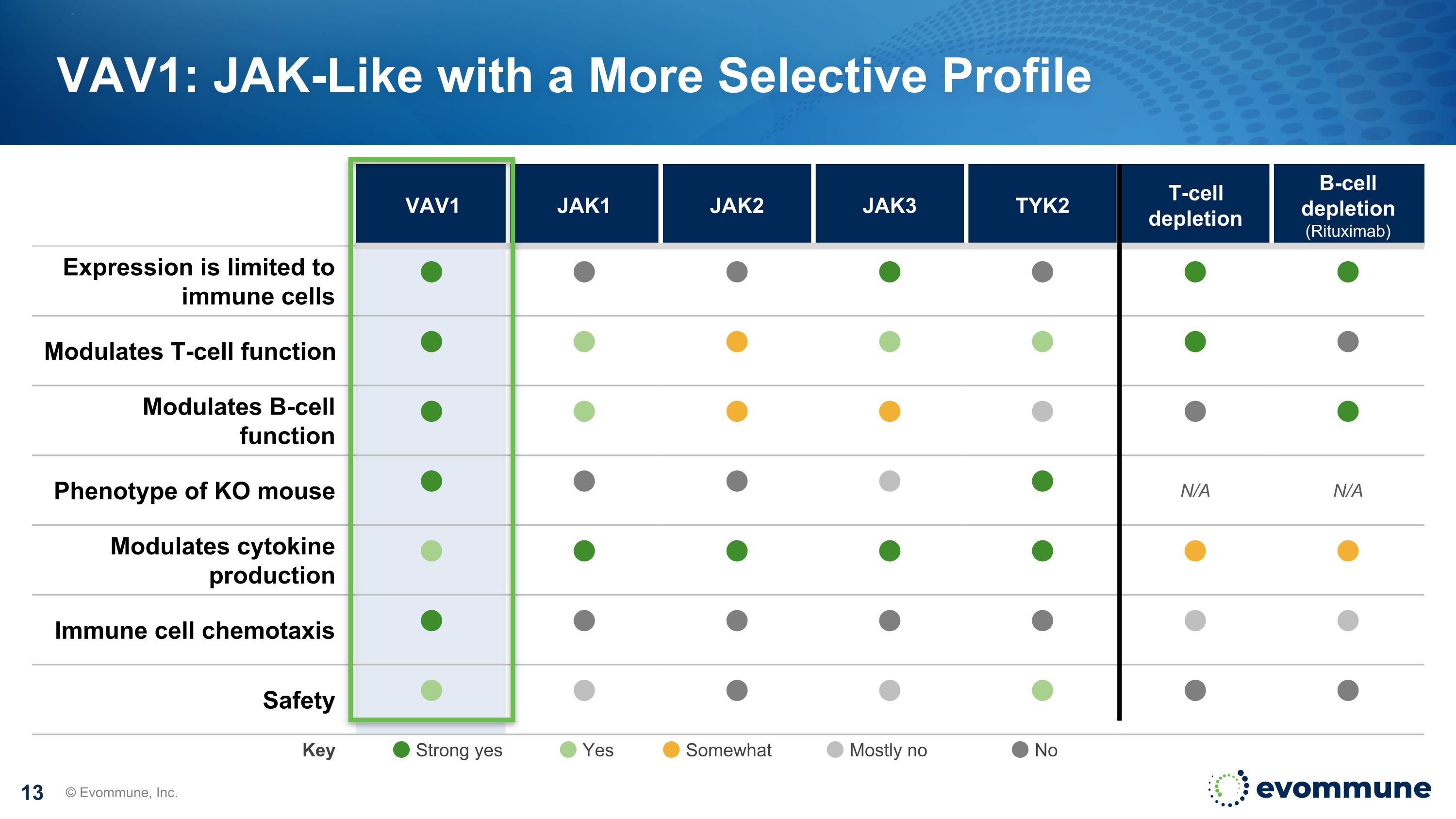
VAV1: JAK-Like with a More Selective Profile © Evommune, Inc. VAV1 JAK1 JAK2 JAK3 TYK2 T-cell depletion B-cell depletion (Rituximab) Expression is limited to immune cells Modulates T-cell function Modulates B-cell function Phenotype of KO mouse N/A N/A Modulates cytokine production Immune cell chemotaxis Safety Key Strong yes Yes Somewhat Mostly no No
EVO570 Evommune’s VAV1 MGD © Evommune, Inc.
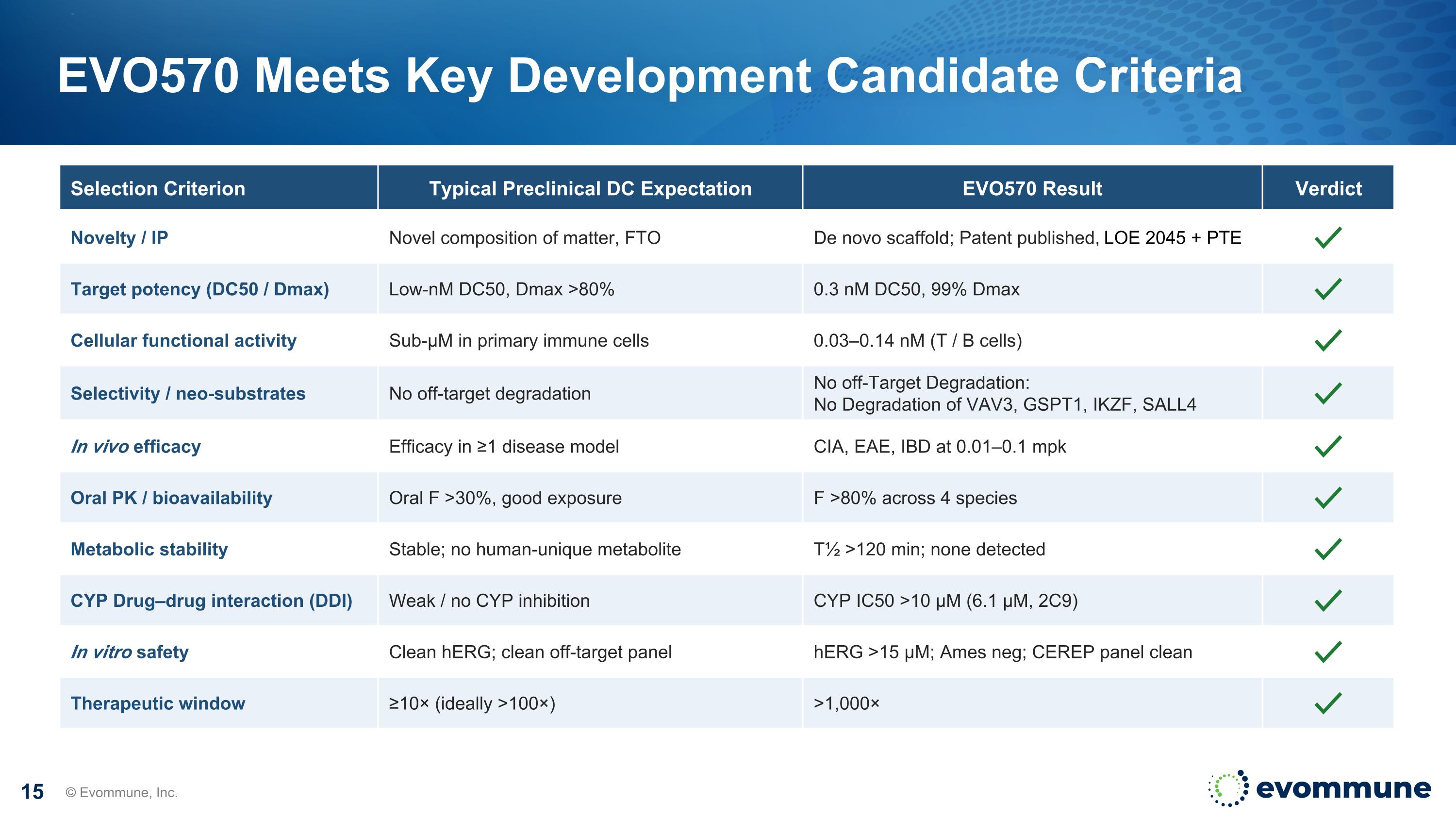
EVO570 Meets Key Development Candidate Criteria © Evommune, Inc. Selection Criterion Typical Preclinical DC Expectation EVO570 Result Verdict Novelty / IP Novel composition of matter, FTO De novo scaffold; Patent published, LOE 2045 + PTE ✓ Target potency (DC50 / Dmax) Low-nM DC50, Dmax >80% 0.3 nM DC50, 99% Dmax ✓ Cellular functional activity Sub-µM in primary immune cells 0.03–0.14 nM (T / B cells) ✓ Selectivity / neo-substrates No off-target degradation No off-Target Degradation: No Degradation of VAV3, GSPT1, IKZF, SALL4 ✓ In vivo efficacy Efficacy in ≥1 disease model CIA, EAE, IBD at 0.01–0.1 mpk ✓ Oral PK / bioavailability Oral F >30%, good exposure F >80% across 4 species ✓ Metabolic stability Stable; no human-unique metabolite T½ >120 min; none detected ✓ CYP Drug–drug interaction (DDI) Weak / no CYP inhibition CYP IC50 >10 µM (6.1 µM, 2C9) ✓ In vitro safety Clean hERG; clean off-target panel hERG >15 µM; Ames neg; CEREP panel clean ✓ Therapeutic window ≥10× (ideally >100×) >1,000× ✓
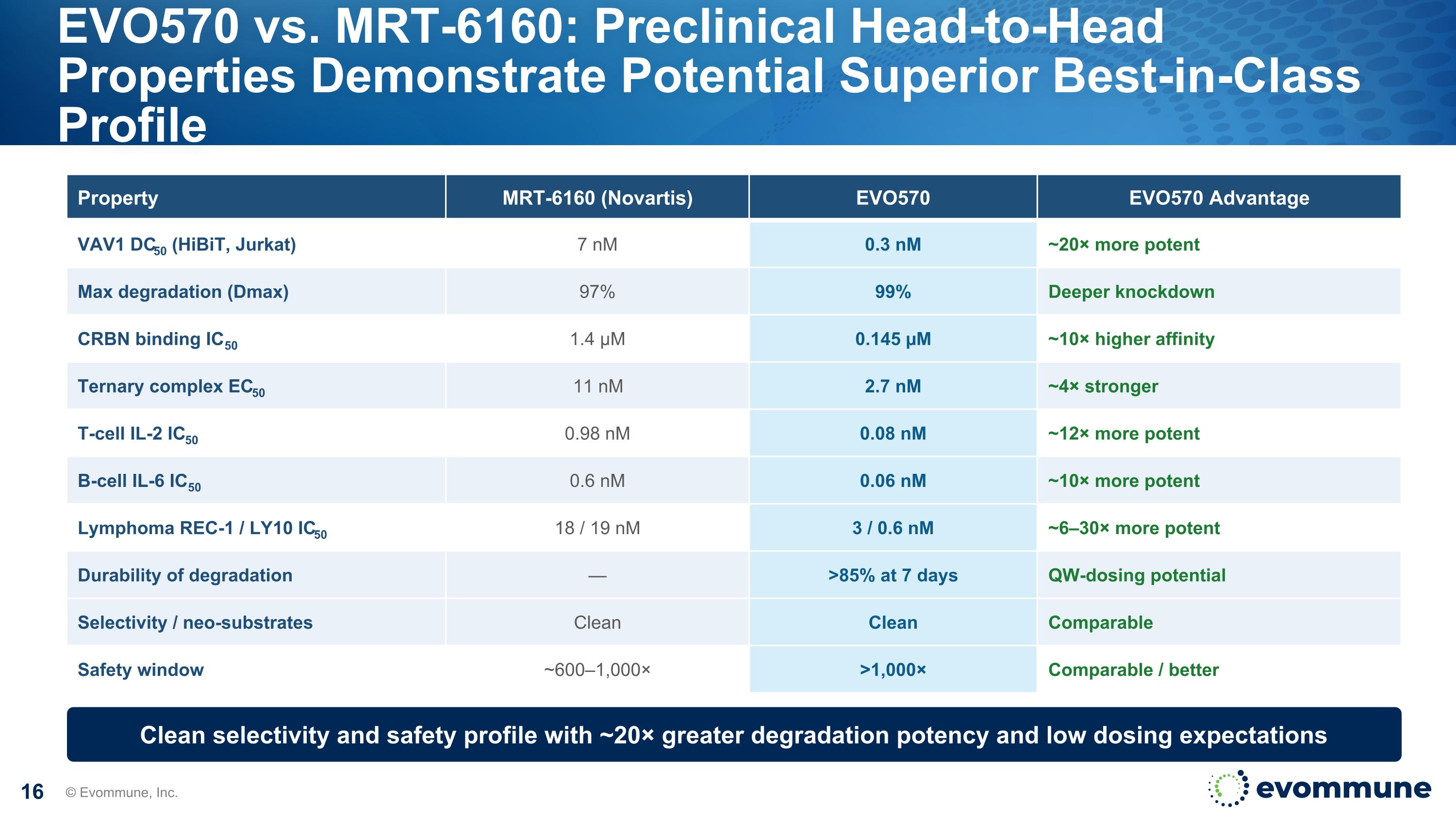
EVO570 vs. MRT-6160: Preclinical Head-to-Head Properties Demonstrate Potential Superior Best-in-Class Profile © Evommune, Inc. Property MRT-6160 (Novartis) EVO570 EVO570 Advantage VAV1 DC50 (HiBiT, Jurkat) 7 nM 0.3 nM ~20× more potent Max degradation (Dmax) 97% 99% Deeper knockdown CRBN binding IC50 1.4 µM 0.145 µM ~10× higher affinity Ternary complex EC50 11 nM 2.7 nM ~4× stronger T-cell IL-2 IC50 0.98 nM 0.08 nM ~12× more potent B-cell IL-6 IC50 0.6 nM 0.06 nM ~10× more potent Lymphoma REC-1 / LY10 IC50 18 / 19 nM 3 / 0.6 nM ~6–30× more potent Durability of degradation — >85% at 7 days QW-dosing potential Selectivity / neo-substrates Clean Clean Comparable Safety window ~600–1,000× >1,000× Comparable / better Clean selectivity and safety profile with ~20× greater degradation potency and low dosing expectations

Development Plan © Evommune, Inc.
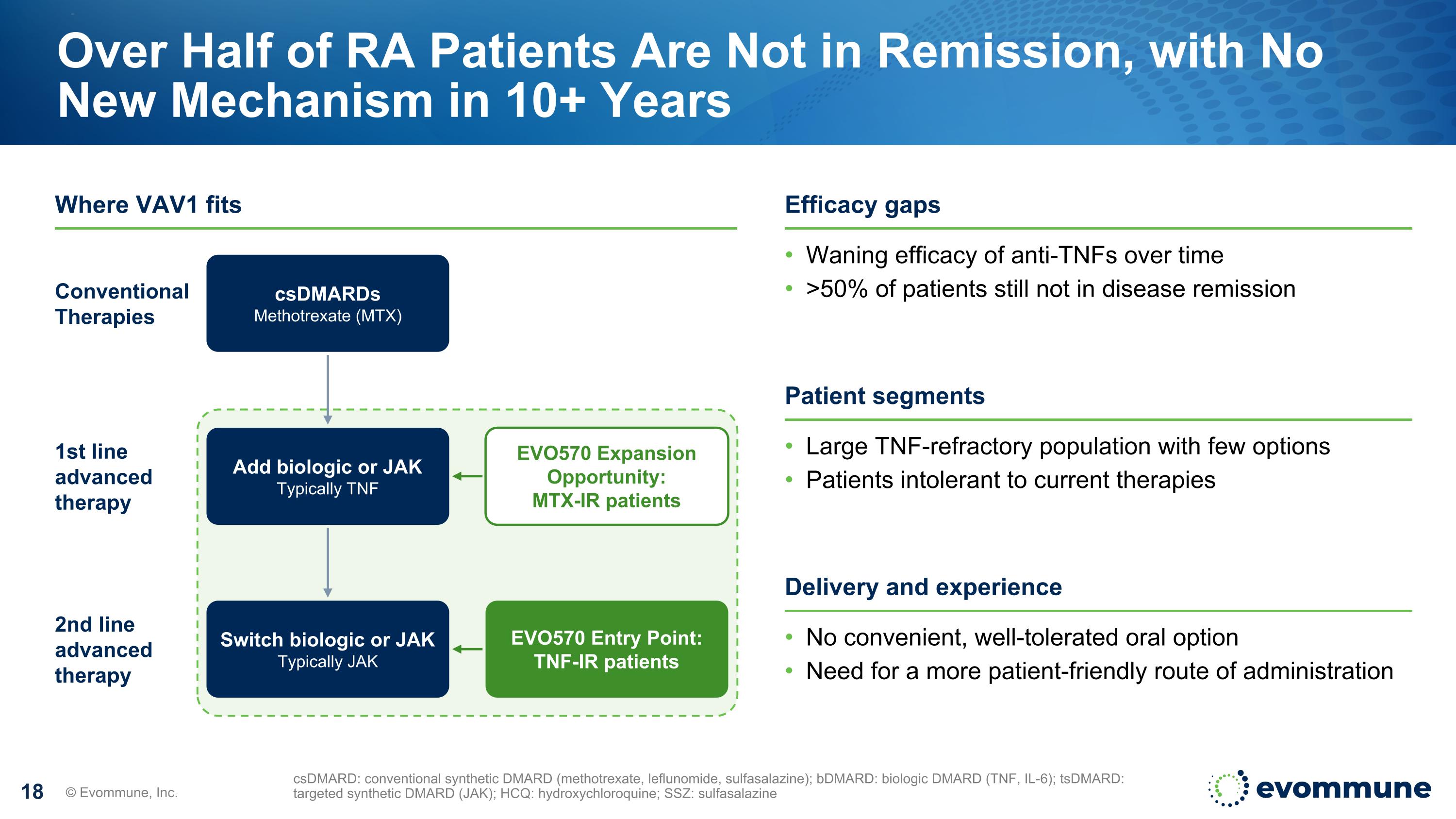
Over Half of RA Patients Are Not in Remission, with No New Mechanism in 10+ Years © Evommune, Inc. csDMARD: conventional synthetic DMARD (methotrexate, leflunomide, sulfasalazine); bDMARD: biologic DMARD (TNF, IL-6); tsDMARD: targeted synthetic DMARD (JAK); HCQ: hydroxychloroquine; SSZ: sulfasalazine Where VAV1 fits Conventional Therapies 1st line advanced therapy 2nd line advanced therapy csDMARDs Methotrexate (MTX) Add biologic or JAK Typically TNF Switch biologic or JAK Typically JAK EVO570 Entry Point: TNF-IR patients Efficacy gaps Waning efficacy of anti-TNFs over time >50% of patients still not in disease remission Patient segments Large TNF-refractory population with few options Patients intolerant to current therapies Delivery and experience No convenient, well-tolerated oral option Need for a more patient-friendly route of administration EVO570 Expansion Opportunity: MTX-IR patients
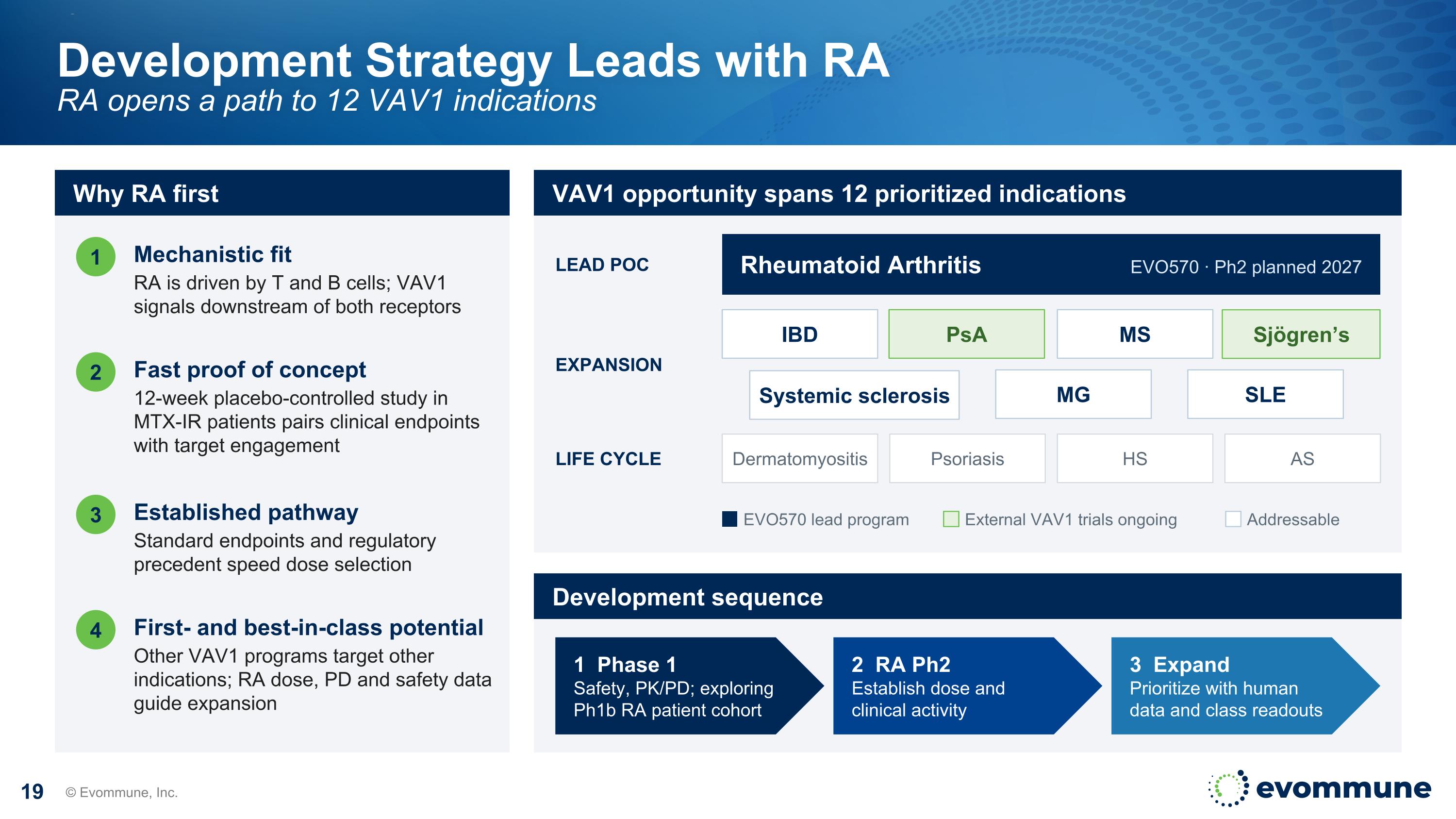
Development Strategy Leads with RA RA opens a path to 12 VAV1 indications © Evommune, Inc. Why RA first 1 Mechanistic fit RA is driven by T and B cells; VAV1 signals downstream of both receptors 2 Fast proof of concept 12-week placebo-controlled study in MTX-IR patients pairs clinical endpoints with target engagement 3 Established pathway Standard endpoints and regulatory precedent speed dose selection 4 First- and best-in-class potential Other VAV1 programs target other indications; RA dose, PD and safety data guide expansion VAV1 opportunity spans 12 prioritized indications Lead PoC Rheumatoid Arthritis EVO570 · Ph2 planned 2027 Expansion IBD SLE MS MG Systemic sclerosis PsA Sjögren’s Life cycle Dermatomyositis Psoriasis HS AS EVO570 lead program External VAV1 trials ongoing Addressable Development sequence 1 Phase 1 Safety, PK/PD; exploring Ph1b RA patient cohort 2 RA Ph2 Establish dose and clinical activity 3 Expand Prioritize with human data and class readouts
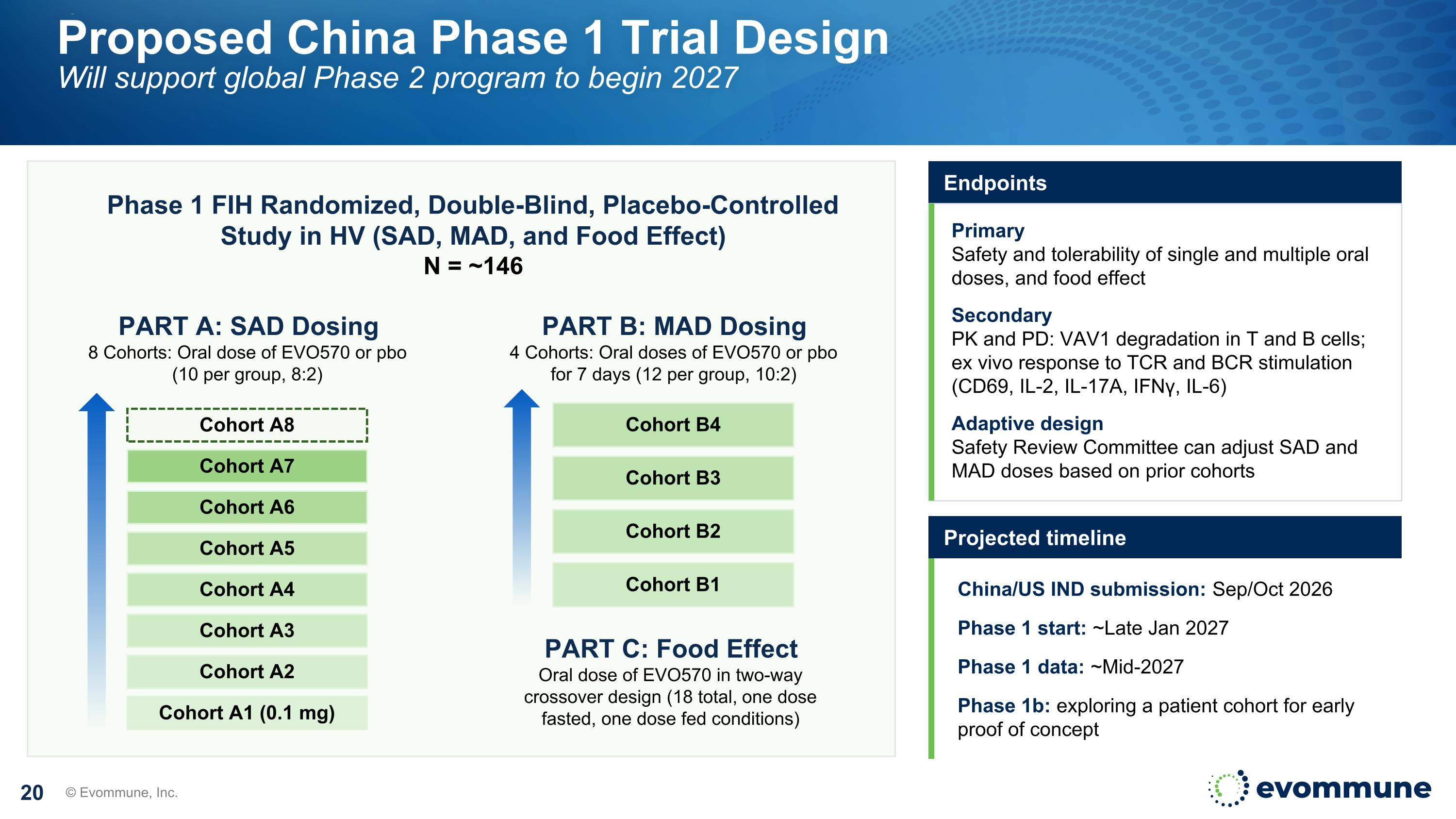
PART A: SAD Dosing 8 Cohorts: Oral dose of EVO570 or pbo (10 per group, 8:2) Proposed China Phase 1 Trial Design Will support global Phase 2 program to begin 2027 © Evommune, Inc. Cohort A1 (0.1 mg) Cohort A8 Cohort A4 Cohort A3 Cohort A2 Cohort B1 Cohort B3 Cohort B2 PART B: MAD Dosing 4 Cohorts: Oral doses of EVO570 or pbo for 7 days (12 per group, 10:2) Phase 1 FIH Randomized, Double-Blind, Placebo-Controlled Study in HV (SAD, MAD, and Food Effect) N = ~146 Cohort A7 Cohort A5 Cohort A6 Cohort B4 PART C: Food Effect Oral dose of EVO570 in two-way crossover design (18 total, one dose fasted, one dose fed conditions) Endpoints China/US IND submission: Sep/Oct 2026 Phase 1 start: ~Late Jan 2027 Phase 1 data: ~Mid-2027 Phase 1b: exploring a patient cohort for early proof of concept Projected timeline Primary Safety and tolerability of single and multiple oral doses, and food effect Secondary PK and PD: VAV1 degradation in T and B cells; ex vivo response to TCR and BCR stimulation (CD69, IL-2, IL-17A, IFNγ, IL-6) Adaptive design Safety Review Committee can adjust SAD and MAD doses based on prior cohorts