EX-99.1
Published on April 13, 2026

Role of MRGPRX2 in Migraine April 13, 2026
Forward-Looking Statements © Evommune, Inc. This presentation has been prepared by Evommune, Inc. (“we”, “us” or “our”). Statements contained in this presentation regarding matters that are not historical facts are “forward-looking statements” within the meaning of the Private Securities Litigation Reform Act of 1995, as amended. Words such as "anticipates," "believes," "expects," "intends," “plans,” “potential,” "projects,” “would” and "future" or similar expressions are intended to identify forward-looking statements. Examples of these forward-looking statements include statements related to EVO756’s potential therapeutic benefit to treat migraine and our planned Phase 2b trial of EVO756 to treat migraine, including trial design and timing. Forward-looking statements are subject to a number of risks and uncertainties, many of which involve factors or circumstances that are beyond our control. These statements involve substantial known and unknown risks, uncertainties and other factors that may cause our actual results, levels of activity, performance or achievements to be materially different from the information expressed or implied by these forward-looking statements. We may not actually achieve the plans, intentions or expectations disclosed in our forward-looking statements, and you should not place undue reliance on our forward-looking statements. Actual results or events could differ materially from the plans, intentions and expectations disclosed in the forward-looking statements we make. These and other risks are described more fully in our most recent annual and quarterly reports on Form 10-K and 10-Q, as applicable, as well as our other subsequent filings with the Securities and Exchange Commission. All forward-looking statements represent our views as of the date of this presentation. All forward-looking statements contained in this presentation speak only as of the date on which they were made. Except to the extent required by law, we undertake no obligation to update such statements to reflect events that occur or circumstances that exist after the date on which they were made. This presentation also contains estimates made by independent parties relating to industry market size and other data. These estimates involve a number of assumptions and limitations, and you are cautioned not to give undue weight on such estimates. We have not independently verified the accuracy or completeness of such information and we do not take any responsibility with the accuracy or completeness of such information. The trademarks included in this presentation are the property of the owners thereof and are used for reference purposes only.
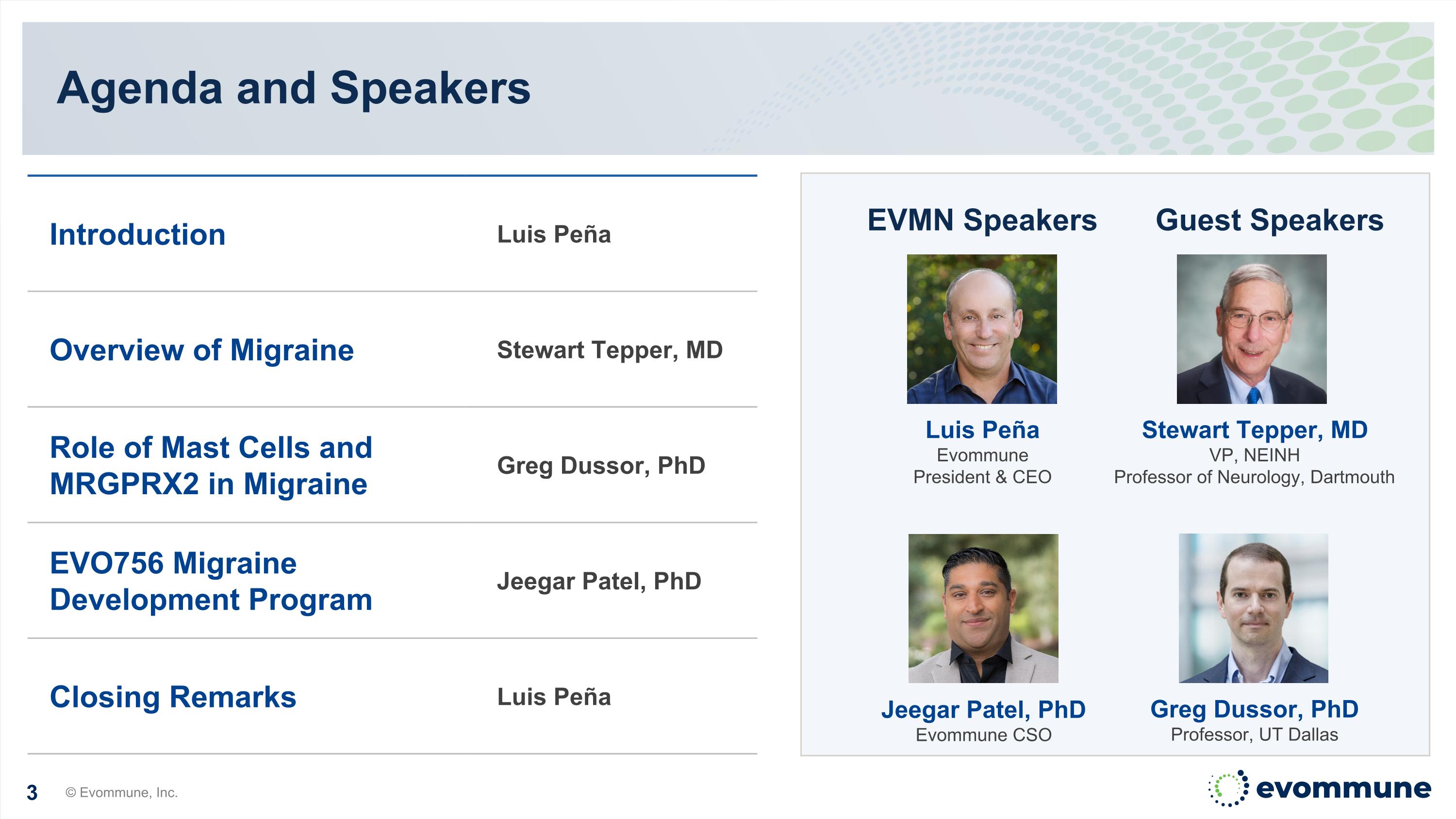
Agenda and Speakers 3 © Evommune, Inc. Luis Peña Evommune President & CEO Jeegar Patel, PhD Evommune CSO Greg Dussor, PhD Professor, UT Dallas EVMN Speakers Stewart Tepper, MD VP, NEINH Professor of Neurology, Dartmouth Introduction Luis Peña Overview of Migraine Stewart Tepper, MD Role of Mast Cells and MRGPRX2 in Migraine Greg Dussor, PhD EVO756 Migraine Development Program Jeegar Patel, PhD Closing Remarks Luis Peña Guest Speakers
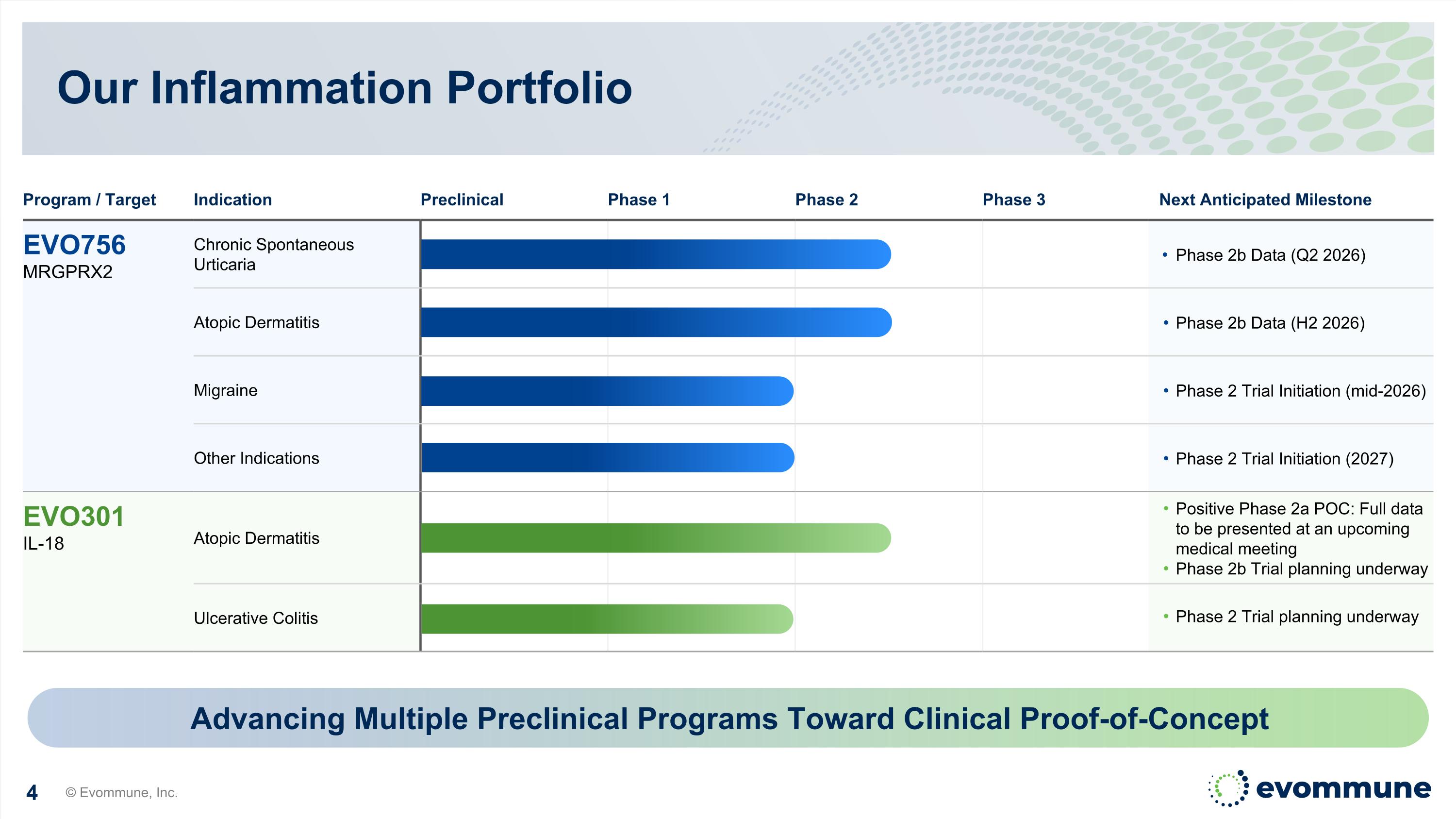
Our Inflammation Portfolio © Evommune, Inc. Program / Target Indication Preclinical Phase 1 Phase 2 Phase 3 Next Anticipated Milestone EVO756 MRGPRX2 Chronic Spontaneous Urticaria Phase 2b Data (Q2 2026) Atopic Dermatitis Phase 2b Data (H2 2026) Migraine Phase 2 Trial Initiation (mid-2026) Other Indications Phase 2 Trial Initiation (2027) EVO301 IL-18 Atopic Dermatitis Positive Phase 2a POC: Full data to be presented at an upcoming medical meeting Phase 2b Trial planning underway Ulcerative Colitis Phase 2 Trial planning underway Advancing Multiple Preclinical Programs Toward Clinical Proof-of-Concept
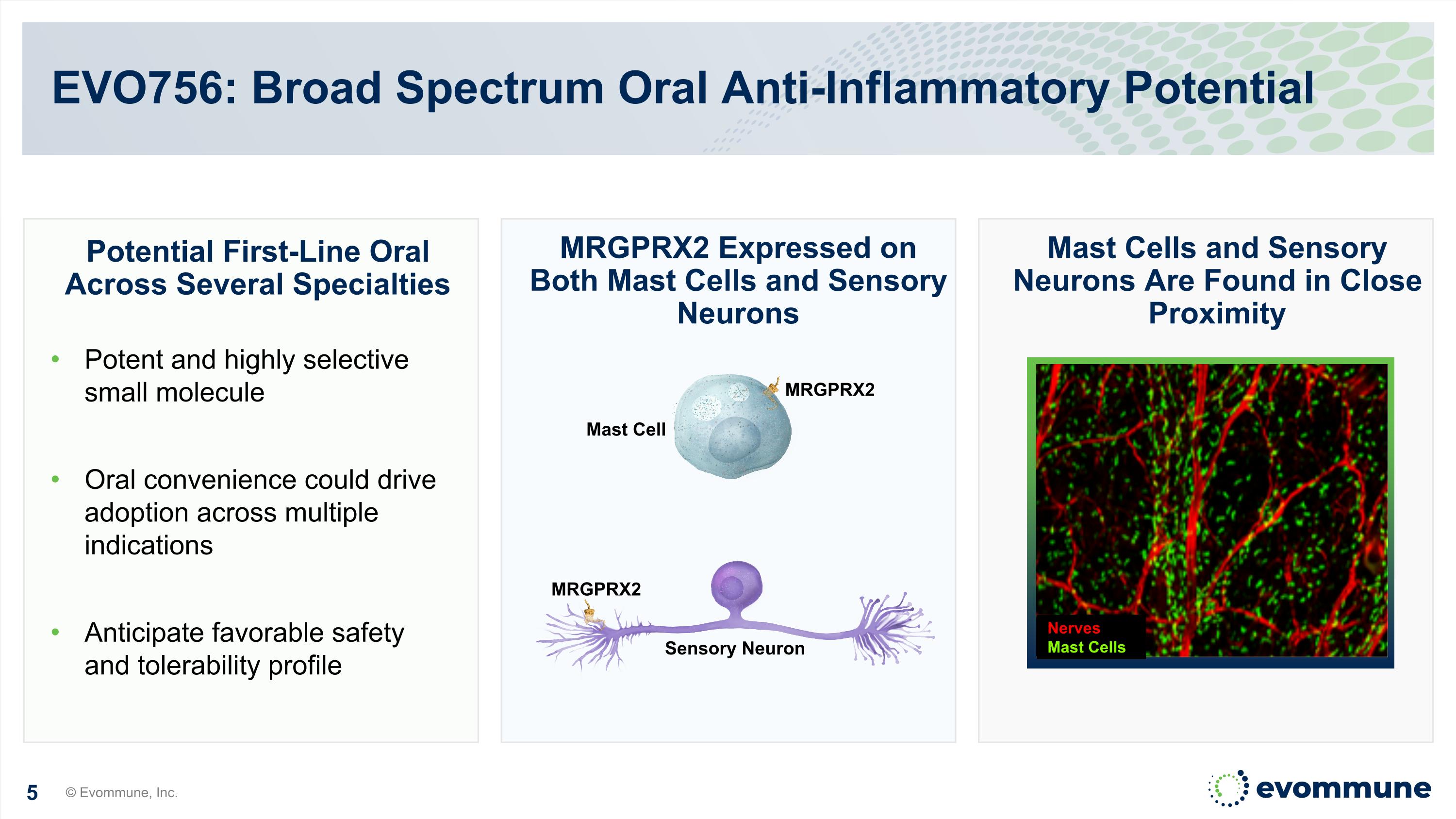
EVO756: Broad Spectrum Oral Anti-Inflammatory Potential MRGPRX2 Expressed on Both Mast Cells and Sensory Neurons Potent and highly selective small molecule Oral convenience could drive adoption across multiple indications Anticipate favorable safety and tolerability profile Potential First-Line Oral Across Several Specialties Sensory Neuron Mast Cell MRGPRX2 Nerves Mast Cells Mast Cells and Sensory Neurons Are Found in Close Proximity MRGPRX2 © Evommune, Inc.
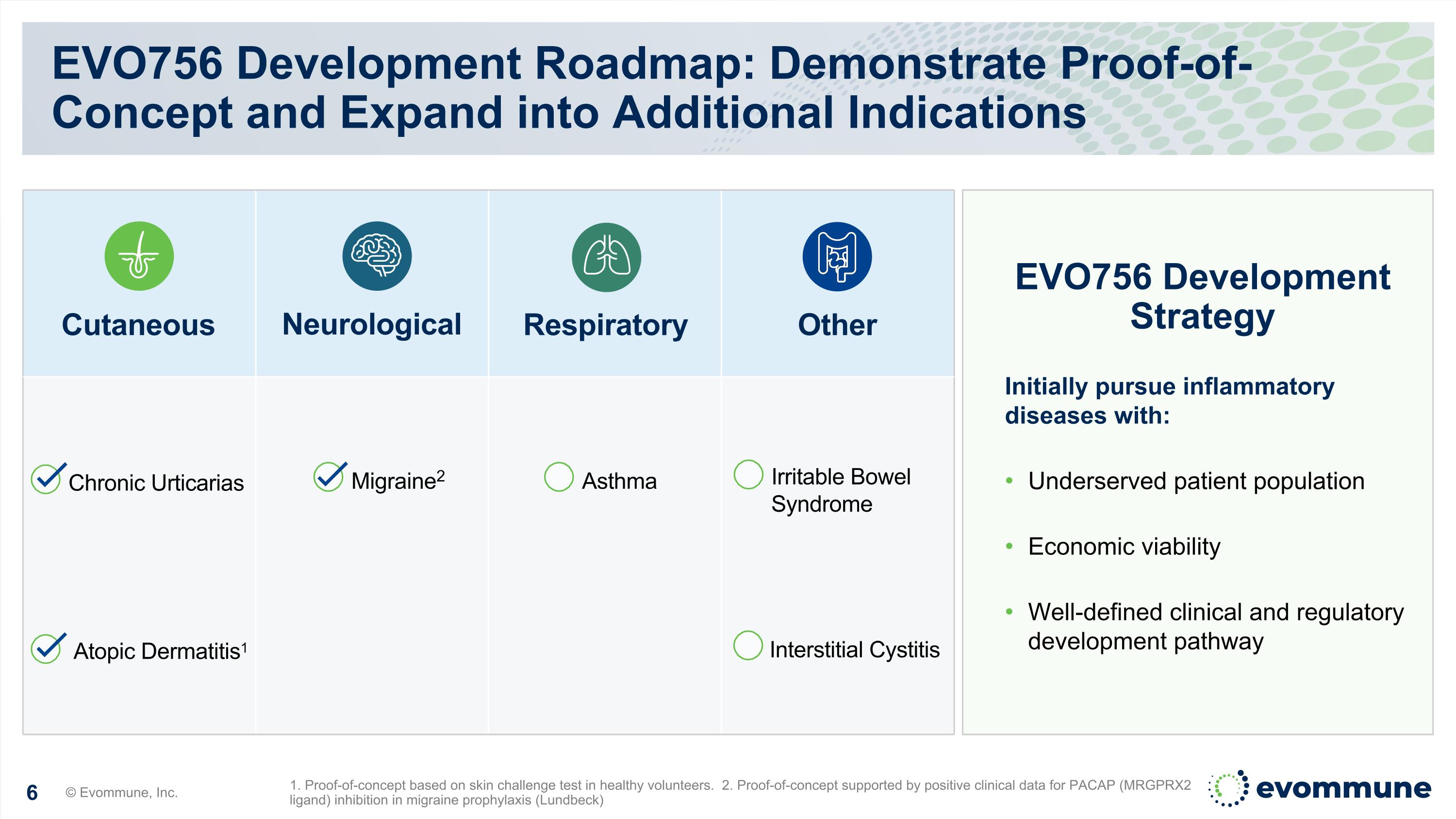
EVO756 Development Roadmap: Demonstrate Proof-of-Concept and Expand into Additional Indications Initially pursue inflammatory diseases with: Underserved patient population Economic viability Well-defined clinical and regulatory development pathway Cutaneous Neurological Respiratory Other EVO756 Development Strategy 1. Proof-of-concept based on skin challenge test in healthy volunteers. 2. Proof-of-concept supported by positive clinical data for PACAP (MRGPRX2 ligand) inhibition in migraine prophylaxis (Lundbeck) Migraine2 Asthma Chronic Urticarias Atopic Dermatitis1 Irritable Bowel Syndrome Interstitial Cystitis © Evommune, Inc.
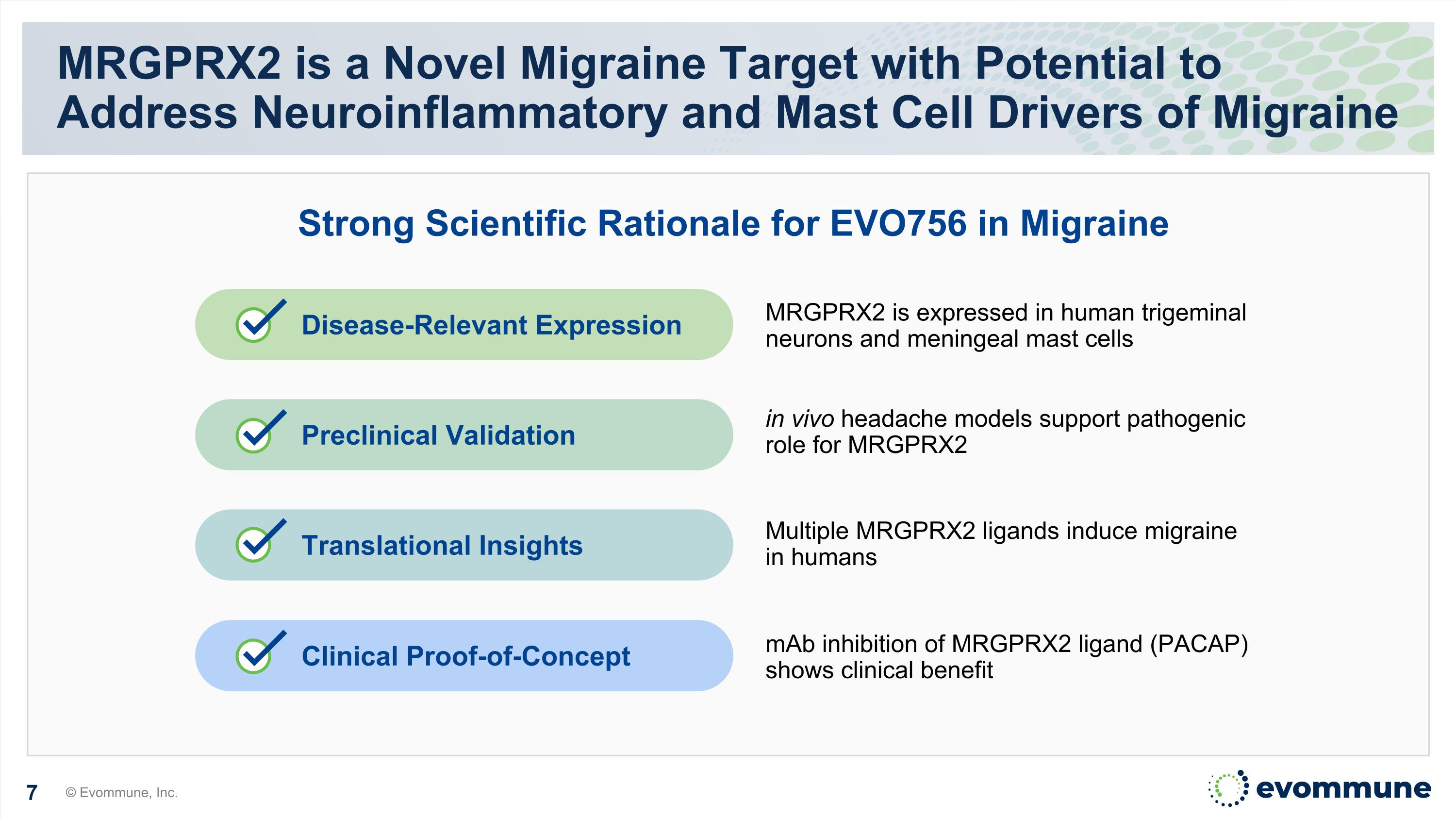
MRGPRX2 is a Novel Migraine Target with Potential to Address Neuroinflammatory and Mast Cell Drivers of Migraine Strong Scientific Rationale for EVO756 in Migraine © Evommune, Inc. MRGPRX2 is expressed in human trigeminal neurons and meningeal mast cells Disease-Relevant Expression in vivo headache models support pathogenic role for MRGPRX2 Preclinical Validation Translational Insights Multiple MRGPRX2 ligands induce migraine in humans mAb inhibition of MRGPRX2 ligand (PACAP) shows clinical benefit Clinical Proof-of-Concept
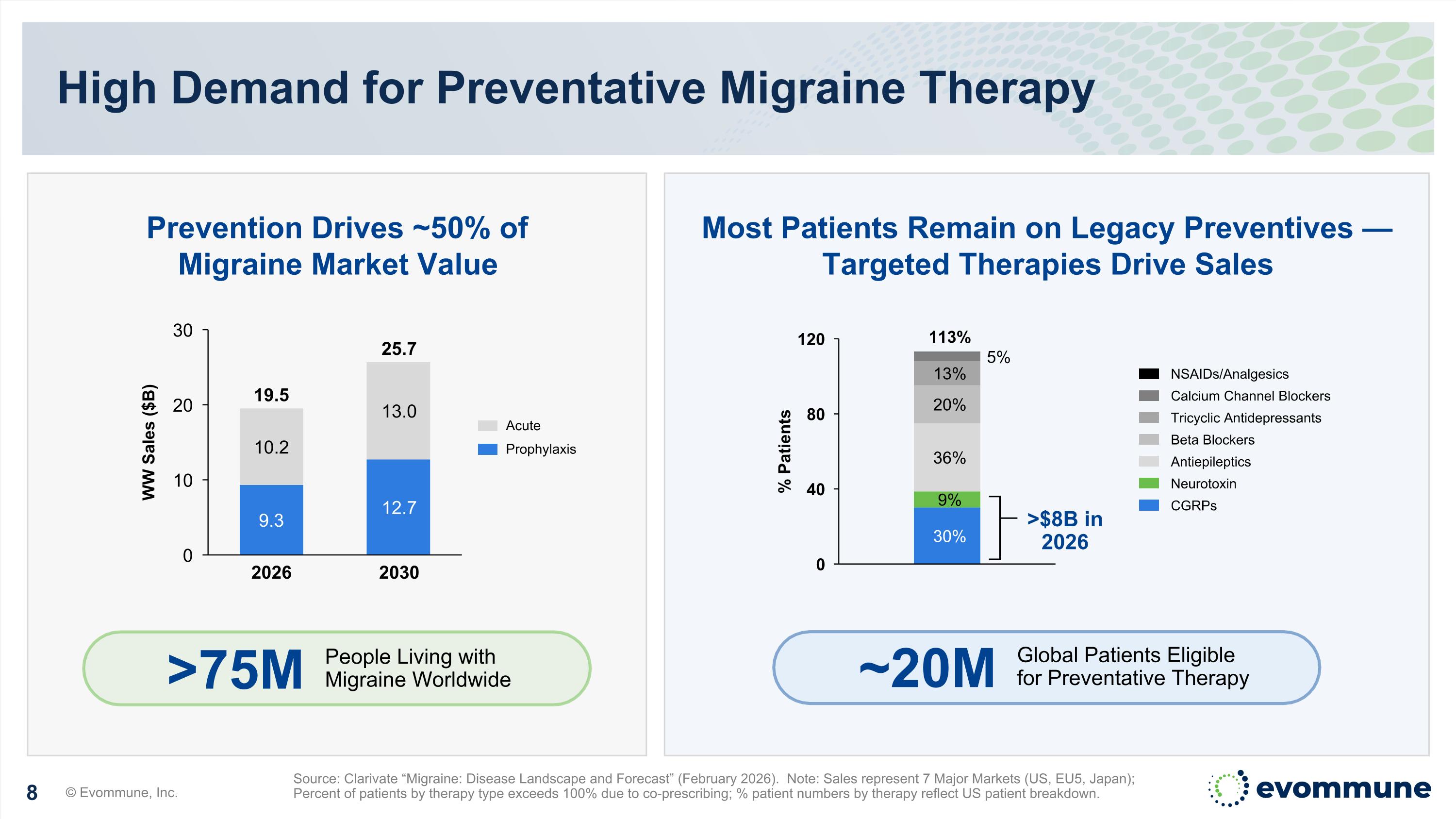
High Demand for Preventative Migraine Therapy © Evommune, Inc. Source: Clarivate “Migraine: Disease Landscape and Forecast” (February 2026). Note: Sales represent 7 Major Markets (US, EU5, Japan); Percent of patients by therapy type exceeds 100% due to co-prescribing; % patient numbers by therapy reflect US patient breakdown. Prevention Drives ~50% of Migraine Market Value 0 10 20 30 WW Sales ($B) 10.2 9.3 2026 13.0 12.7 2030 19.5 25.7 Acute Prophylaxis >75M People Living with Migraine Worldwide ~20M Global Patients Eligible for Preventative Therapy Most Patients Remain on Legacy Preventives — Targeted Therapies Drive Sales % Patients 5% 13% 20% 36% 9% 30% 113% >$8B in 2026 NSAIDs/Analgesics Calcium Channel Blockers Tricyclic Antidepressants Beta Blockers Antiepileptics Neurotoxin CGRPs
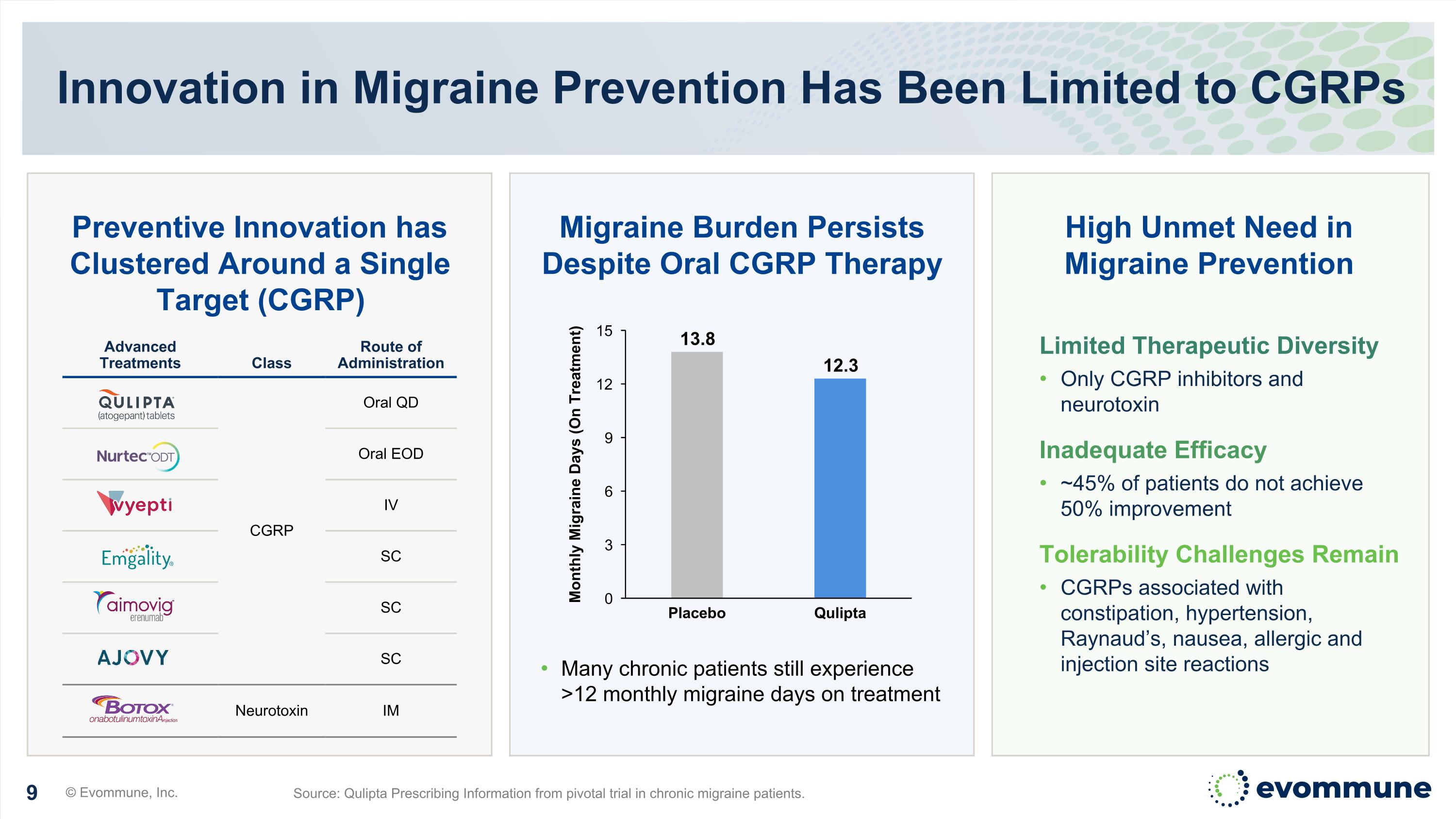
Advanced Treatments Class Route of Administration CGRP Oral QD Oral EOD IV SC SC SC Neurotoxin IM Innovation in Migraine Prevention Has Been Limited to CGRPs © Evommune, Inc. Source: Qulipta Prescribing Information from pivotal trial in chronic migraine patients. Limited Therapeutic Diversity Only CGRP inhibitors and neurotoxin Inadequate Efficacy ~45% of patients do not achieve 50% improvement Tolerability Challenges Remain CGRPs associated with constipation, hypertension, Raynaud’s, nausea, allergic and injection site reactions High Unmet Need in Migraine Prevention Migraine Burden Persists Despite Oral CGRP Therapy Monthly Migraine Days (On Treatment) Placebo Qulipta Preventive Innovation has Clustered Around a Single Target (CGRP) Many chronic patients still experience >12 monthly migraine days on treatment

Overview of Migraine Stewart Tepper, MD Vice President, The New England Institute for Neurology and Headache Professor of Neurology, Geisel School of Medicine at Dartmouth
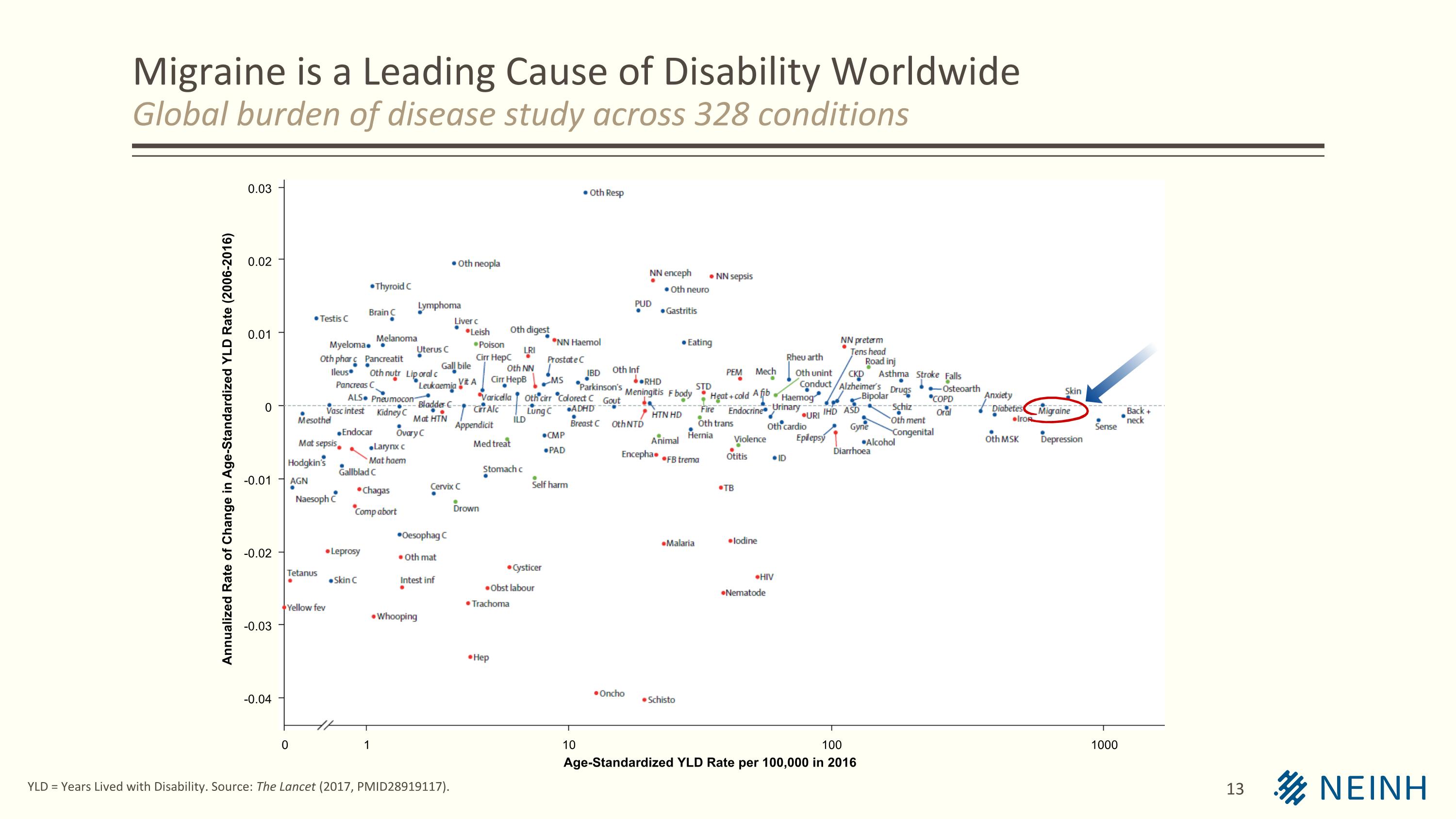
Migraine is a Leading Cause of Disability Worldwide Global burden of disease study across 328 conditions YLD = Years Lived with Disability. Source: The Lancet (2017, PMID28919117). Age-Standardized YLD Rate per 100,000 in 2016 Annualized Rate of Change in Age-Standardized YLD Rate (2006-2016) 0.03 0.02 0.01 0 -0.01 -0.02 -0.03 -0.04 0 1 10 100 1000
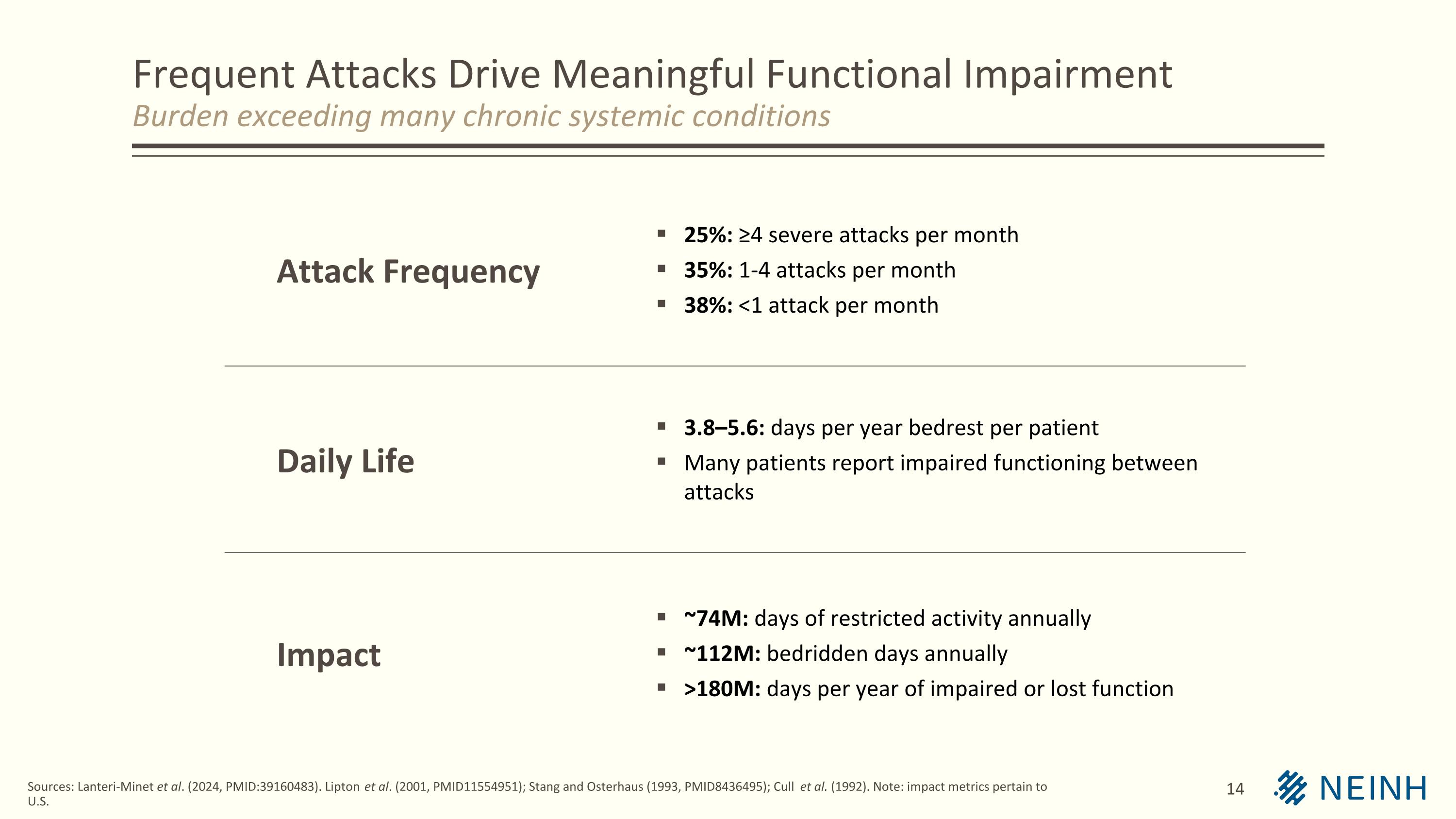
Frequent Attacks Drive Meaningful Functional Impairment Burden exceeding many chronic systemic conditions Sources: Lanteri-Minet et al. (2024, PMID:39160483). Lipton et al. (2001, PMID11554951); Stang and Osterhaus (1993, PMID8436495); Cull et al. (1992). Note: impact metrics pertain to U.S. Attack Frequency Daily Life Impact 25%: ≥4 severe attacks per month 35%: 1-4 attacks per month 38%: <1 attack per month 3.8–5.6: days per year bedrest per patient Many patients report impaired functioning between attacks ~74M: days of restricted activity annually ~112M: bedridden days annually >180M: days per year of impaired or lost function
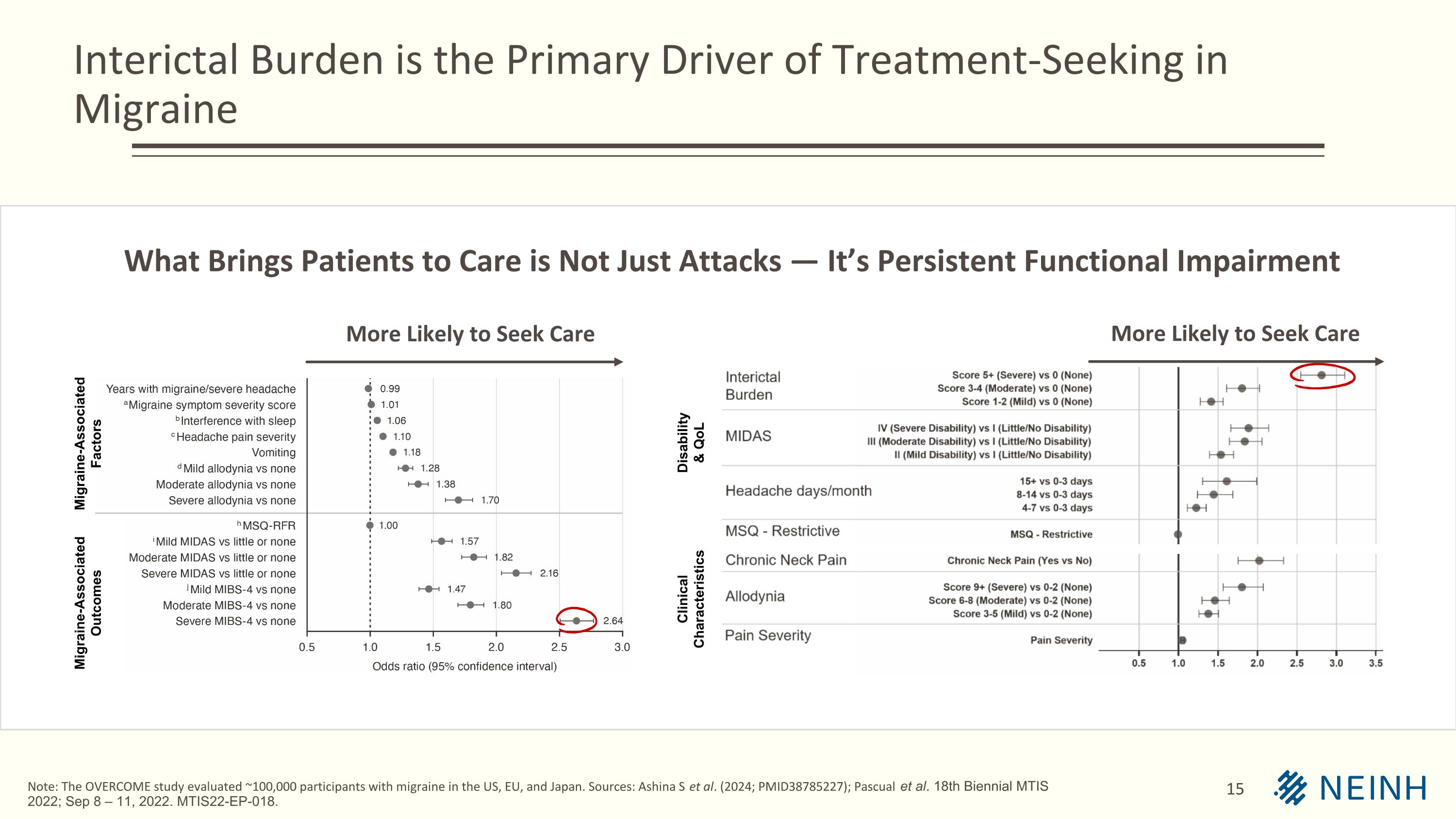
Interictal Burden is the Primary Driver of Treatment-Seeking in Migraine Note: The OVERCOME study evaluated ~100,000 participants with migraine in the US, EU, and Japan. Sources: Ashina S et al. (2024; PMID38785227); Pascual et al. 18th Biennial MTIS 2022; Sep 8 – 11, 2022. MTIS22-EP-018. What Brings Patients to Care is Not Just Attacks — It’s Persistent Functional Impairment More Likely to Seek Care Migraine-Associated Factors Migraine-Associated Outcomes Clinical Characteristics Disability & QoL More Likely to Seek Care
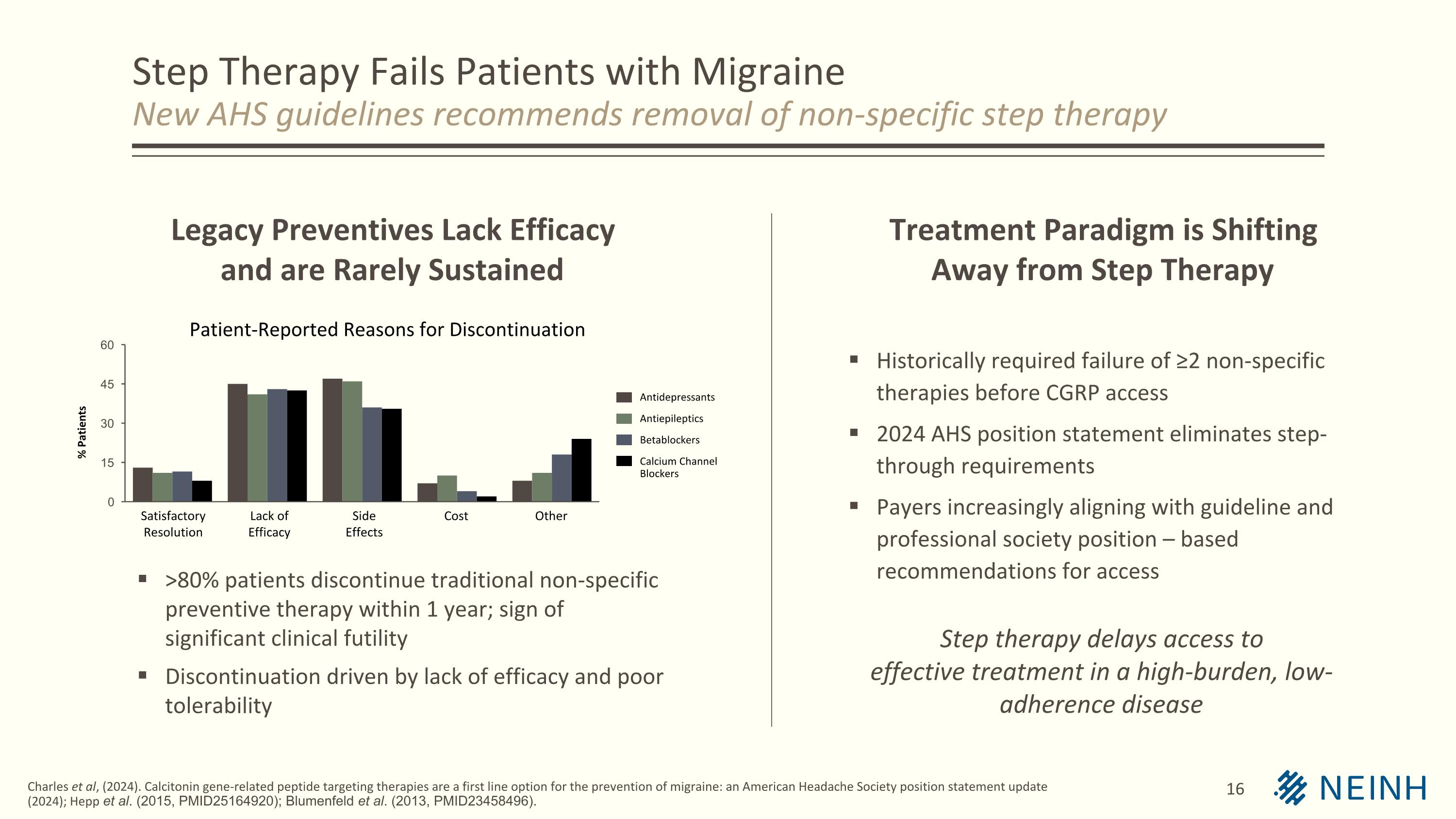
Treatment Paradigm is Shifting Away from Step Therapy Legacy Preventives Lack Efficacy and are Rarely Sustained Step Therapy Fails Patients with Migraine New AHS guidelines recommends removal of non-specific step therapy Charles et al, (2024). Calcitonin gene-related peptide targeting therapies are a first line option for the prevention of migraine: an American Headache Society position statement update (2024); Hepp et al. (2015, PMID25164920); Blumenfeld et al. (2013, PMID23458496). >80% patients discontinue traditional non-specific preventive therapy within 1 year; sign of significant clinical futility Discontinuation driven by lack of efficacy and poor tolerability Historically required failure of ≥2 non-specific therapies before CGRP access 2024 AHS position statement eliminates step-through requirements Payers increasingly aligning with guideline and professional society position – based recommendations for access Step therapy delays access to effective treatment in a high-burden, low-adherence disease % Patients Satisfactory Resolution Lack of Efficacy Side Effects Cost Other Patient-Reported Reasons for Discontinuation Antidepressants Antiepileptics Betablockers Calcium Channel Blockers
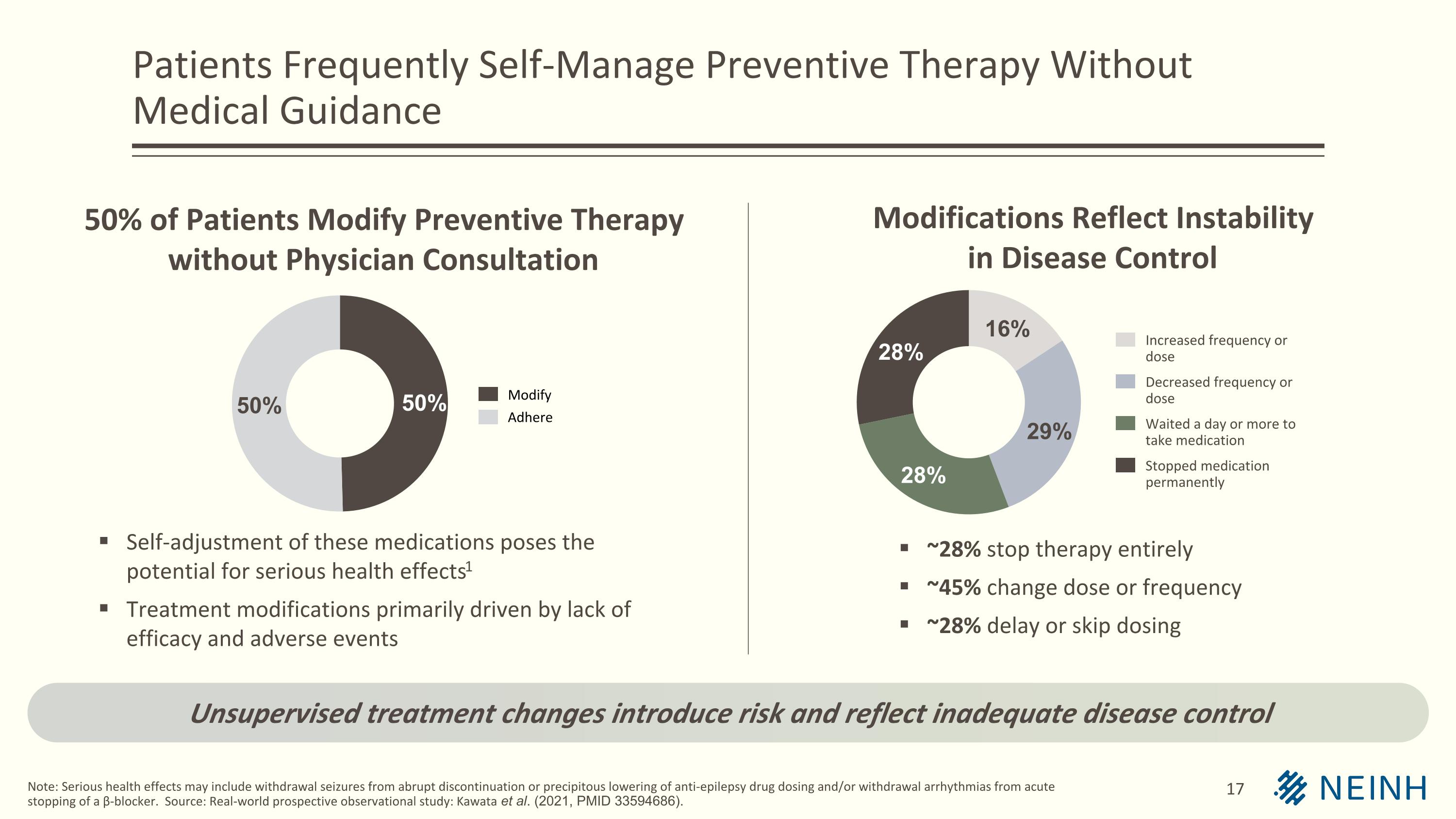
Modifications Reflect Instability in Disease Control 50% of Patients Modify Preventive Therapy without Physician Consultation Self-adjustment of these medications poses the potential for serious health effects1 Treatment modifications primarily driven by lack of efficacy and adverse events Patients Frequently Self-Manage Preventive Therapy Without Medical Guidance Note: Serious health effects may include withdrawal seizures from abrupt discontinuation or precipitous lowering of anti-epilepsy drug dosing and/or withdrawal arrhythmias from acute stopping of a β-blocker. Source: Real-world prospective observational study: Kawata et al. (2021, PMID 33594686). Unsupervised treatment changes introduce risk and reflect inadequate disease control ~28% stop therapy entirely ~45% change dose or frequency ~28% delay or skip dosing Modify Adhere Increased frequency or dose Decreased frequency or dose Waited a day or more to take medication Stopped medication permanently
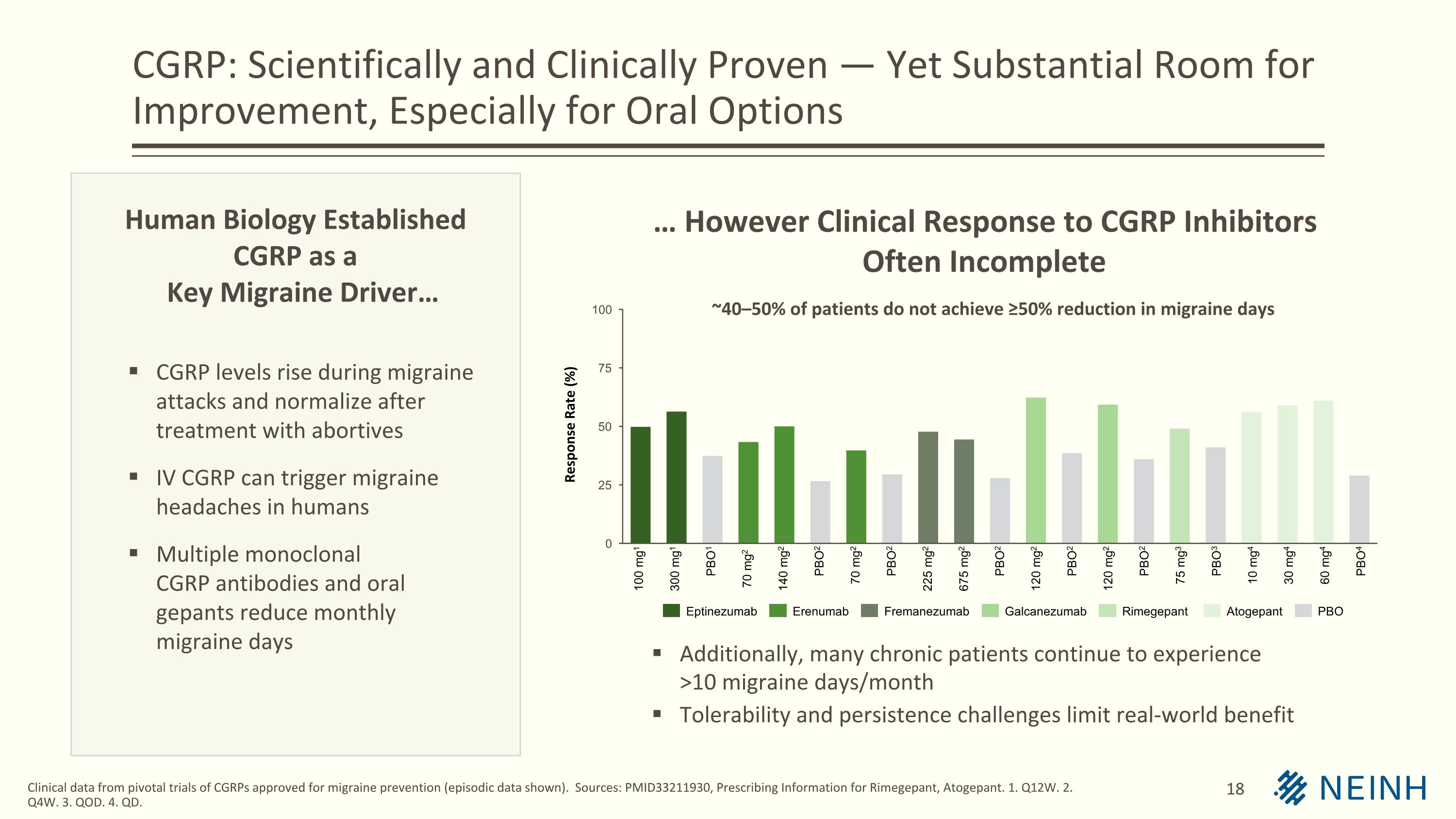
Response Rate (%) 100 mg1 300 mg1 PBO1 70 mg2 140 mg2 PBO2 70 mg2 PBO2 225 mg2 675 mg2 PBO2 120 mg2 PBO2 120 mg2 PBO2 75 mg3 PBO3 10 mg4 30 mg4 60 mg4 PBO4 CGRP: Scientifically and Clinically Proven — Yet Substantial Room for Improvement, Especially for Oral Options Clinical data from pivotal trials of CGRPs approved for migraine prevention (episodic data shown). Sources: PMID33211930, Prescribing Information for Rimegepant, Atogepant. 1. Q12W. 2. Q4W. 3. QOD. 4. QD. Human Biology Established CGRP as a Key Migraine Driver… … However Clinical Response to CGRP Inhibitors Often Incomplete CGRP levels rise during migraine attacks and normalize after treatment with abortives IV CGRP can trigger migraine headaches in humans Multiple monoclonal CGRP antibodies and oral gepants reduce monthly migraine days Additionally, many chronic patients continue to experience >10 migraine days/month Tolerability and persistence challenges limit real-world benefit Eptinezumab Erenumab Fremanezumab Galcanezumab Rimegepant Atogepant PBO ~40–50% of patients do not achieve ≥50% reduction in migraine days

“The opportunity for a more fulfilling migraine-free life, with potential impact on society as a whole” The goal should be migraine freedom in prevention, and even with anti-CGRP therapies, we are not there yet!
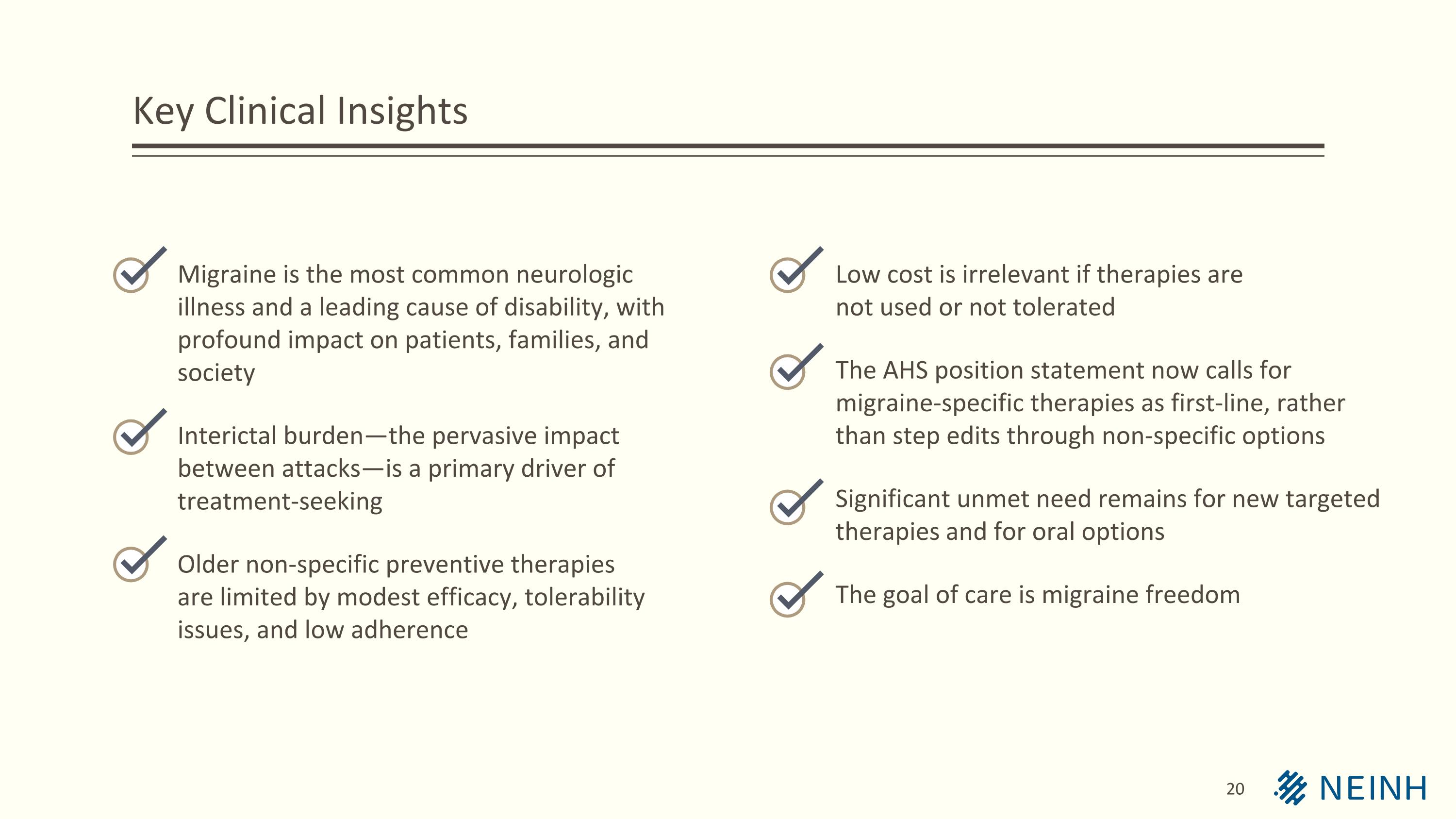
Key Clinical Insights Migraine is the most common neurologic illness and a leading cause of disability, with profound impact on patients, families, and society Interictal burden—the pervasive impact between attacks—is a primary driver of treatment-seeking Older non-specific preventive therapies are limited by modest efficacy, tolerability issues, and low adherence Low cost is irrelevant if therapies are not used or not tolerated The AHS position statement now calls for migraine-specific therapies as first-line, rather than step edits through non-specific options Significant unmet need remains for new targeted therapies and for oral options The goal of care is migraine freedom
© Evommune, Inc. Role of Mast Cells and MRGPRX2 in Migraine Greg Dussor, PhD Professor, Department of Neuroscience The University of Texas at Dallas
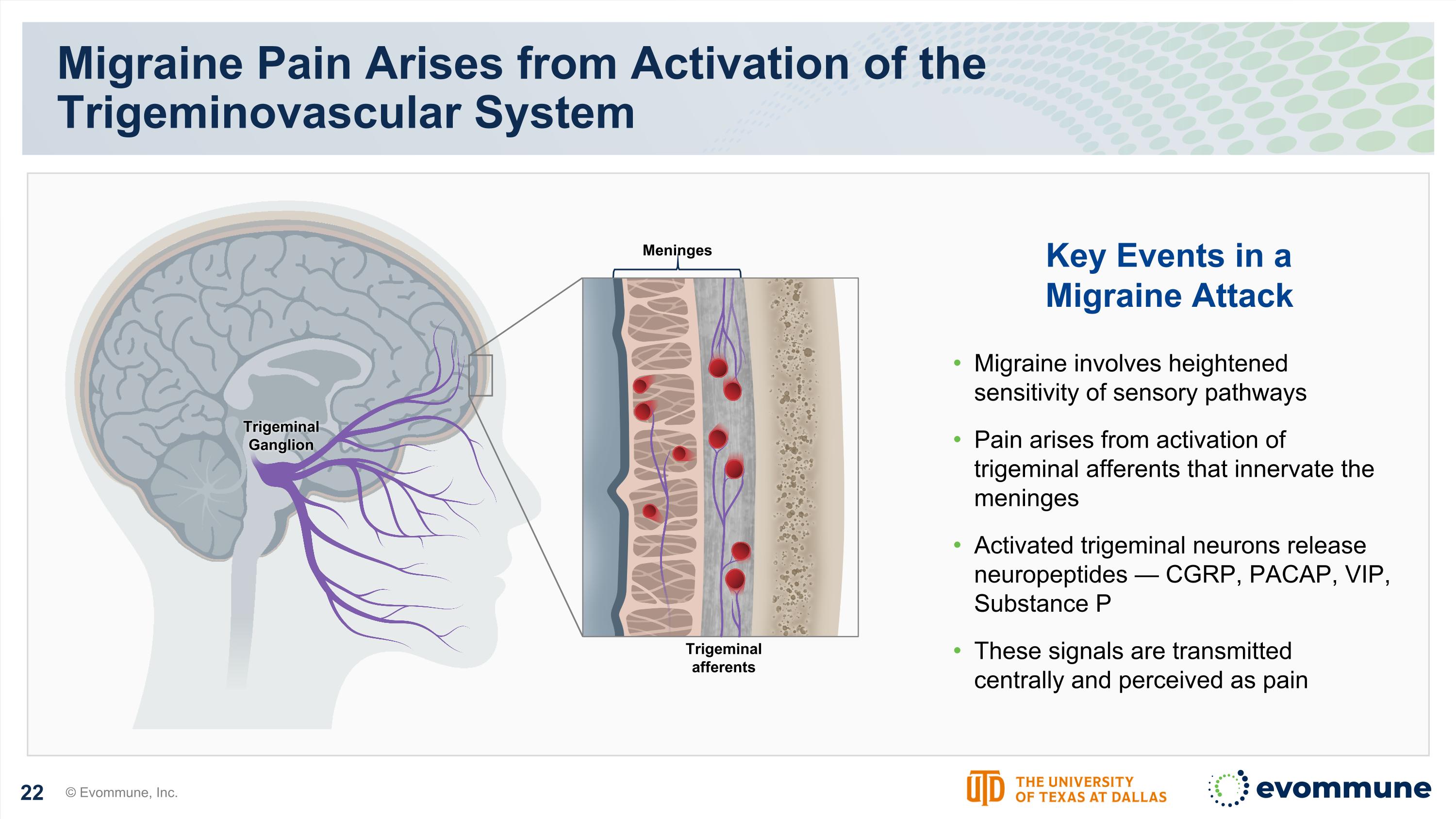
Migraine Pain Arises from Activation of the Trigeminovascular System © Evommune, Inc. Migraine involves heightened sensitivity of sensory pathways Pain arises from activation of trigeminal afferents that innervate the meninges Activated trigeminal neurons release neuropeptides — CGRP, PACAP, VIP, Substance P These signals are transmitted centrally and perceived as pain Key Events in a Migraine Attack Trigeminal Ganglion Meninges Trigeminal afferents
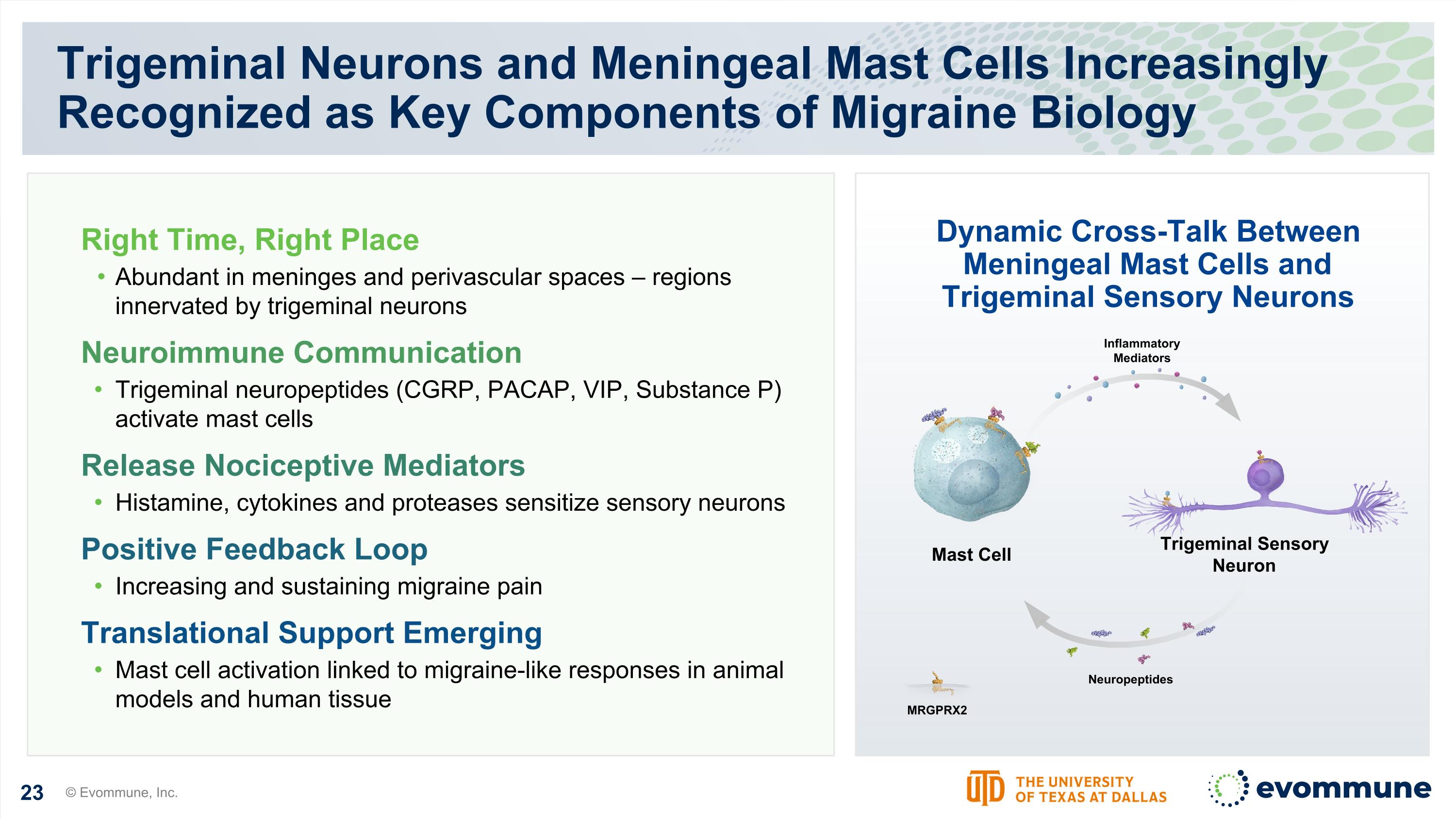
Trigeminal Neurons and Meningeal Mast Cells Increasingly Recognized as Key Components of Migraine Biology © Evommune, Inc. Right Time, Right Place Abundant in meninges and perivascular spaces – regions innervated by trigeminal neurons Neuroimmune Communication Trigeminal neuropeptides (CGRP, PACAP, VIP, Substance P) activate mast cells Release Nociceptive Mediators Histamine, cytokines and proteases sensitize sensory neurons Positive Feedback Loop Increasing and sustaining migraine pain Translational Support Emerging Mast cell activation linked to migraine-like responses in animal models and human tissue MRGPRX2 Dynamic Cross-Talk Between Meningeal Mast Cells and Trigeminal Sensory Neurons Trigeminal Sensory Neuron Mast Cell Inflammatory Mediators Neuropeptides
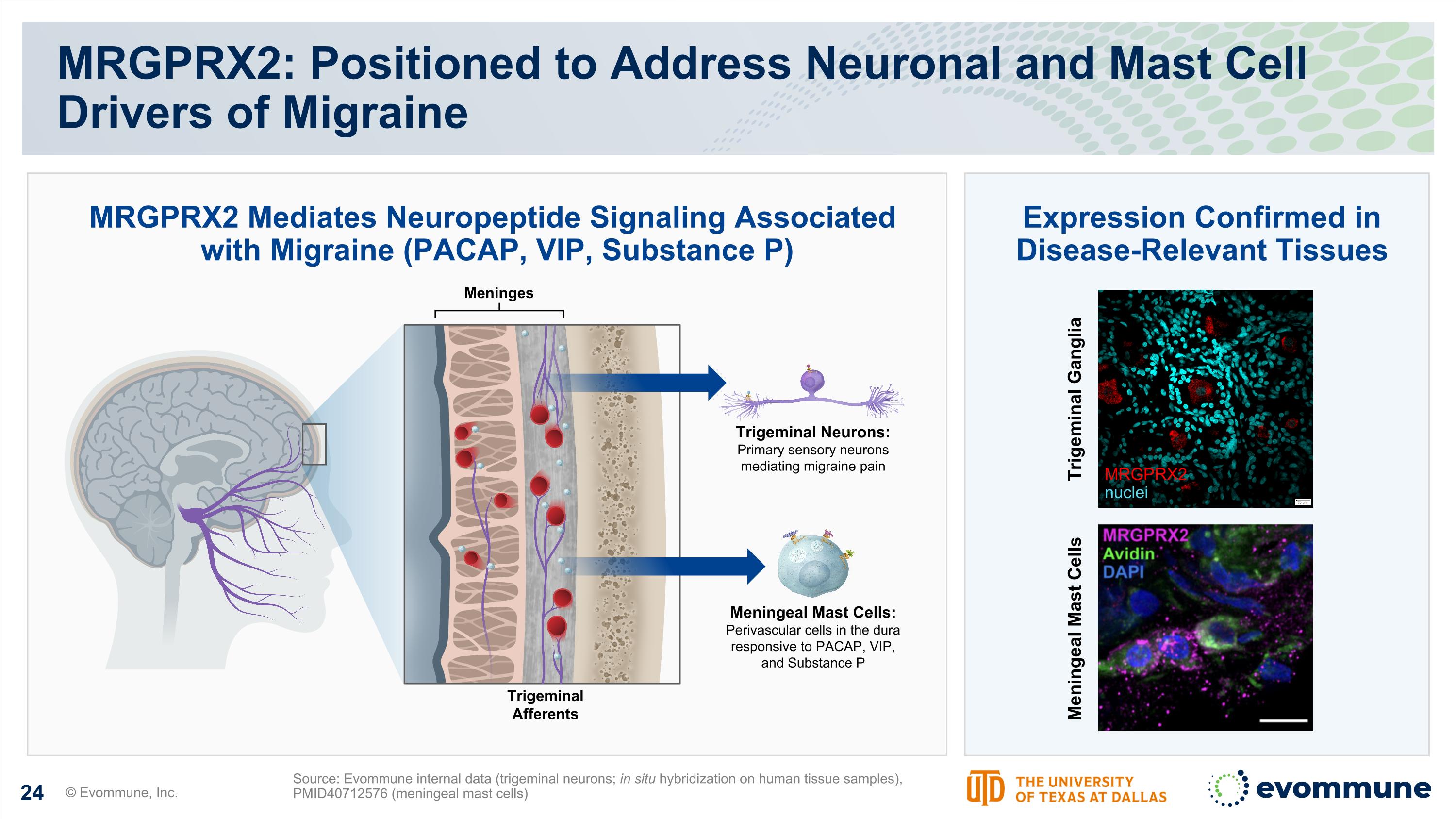
MRGPRX2: Positioned to Address Neuronal and Mast Cell Drivers of Migraine © Evommune, Inc. Source: Evommune internal data (trigeminal neurons; in situ hybridization on human tissue samples), PMID40712576 (meningeal mast cells) Expression Confirmed in Disease-Relevant Tissues MRGPRX2 nuclei Trigeminal Ganglia Meningeal Mast Cells MRGPRX2 Mediates Neuropeptide Signaling Associated with Migraine (PACAP, VIP, Substance P) Meningeal Mast Cells: Perivascular cells in the dura responsive to PACAP, VIP, and Substance P Trigeminal Neurons: Primary sensory neurons mediating migraine pain Meninges Trigeminal Afferents
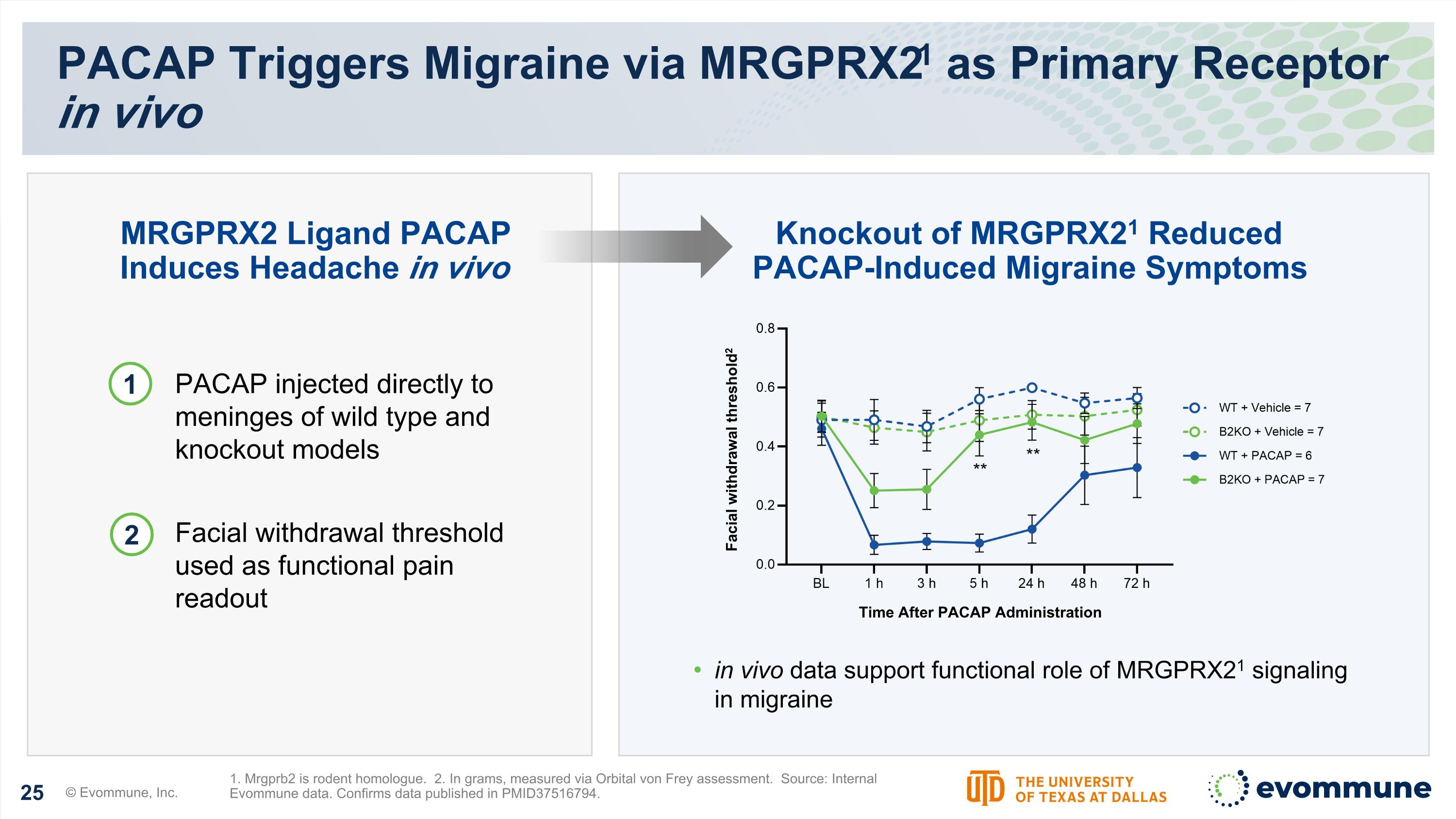
PACAP Triggers Migraine via MRGPRX21 as Primary Receptor in vivo © Evommune, Inc. 1. Mrgprb2 is rodent homologue. 2. In grams, measured via Orbital von Frey assessment. Source: Internal Evommune data. Confirms data published in PMID37516794. Facial withdrawal threshold2 in vivo data support functional role of MRGPRX21 signaling in migraine Time After PACAP Administration 1 PACAP injected directly to meninges of wild type and knockout models Facial withdrawal threshold used as functional pain readout Knockout of MRGPRX21 Reduced PACAP-Induced Migraine Symptoms MRGPRX2 Ligand PACAP Induces Headache in vivo 2
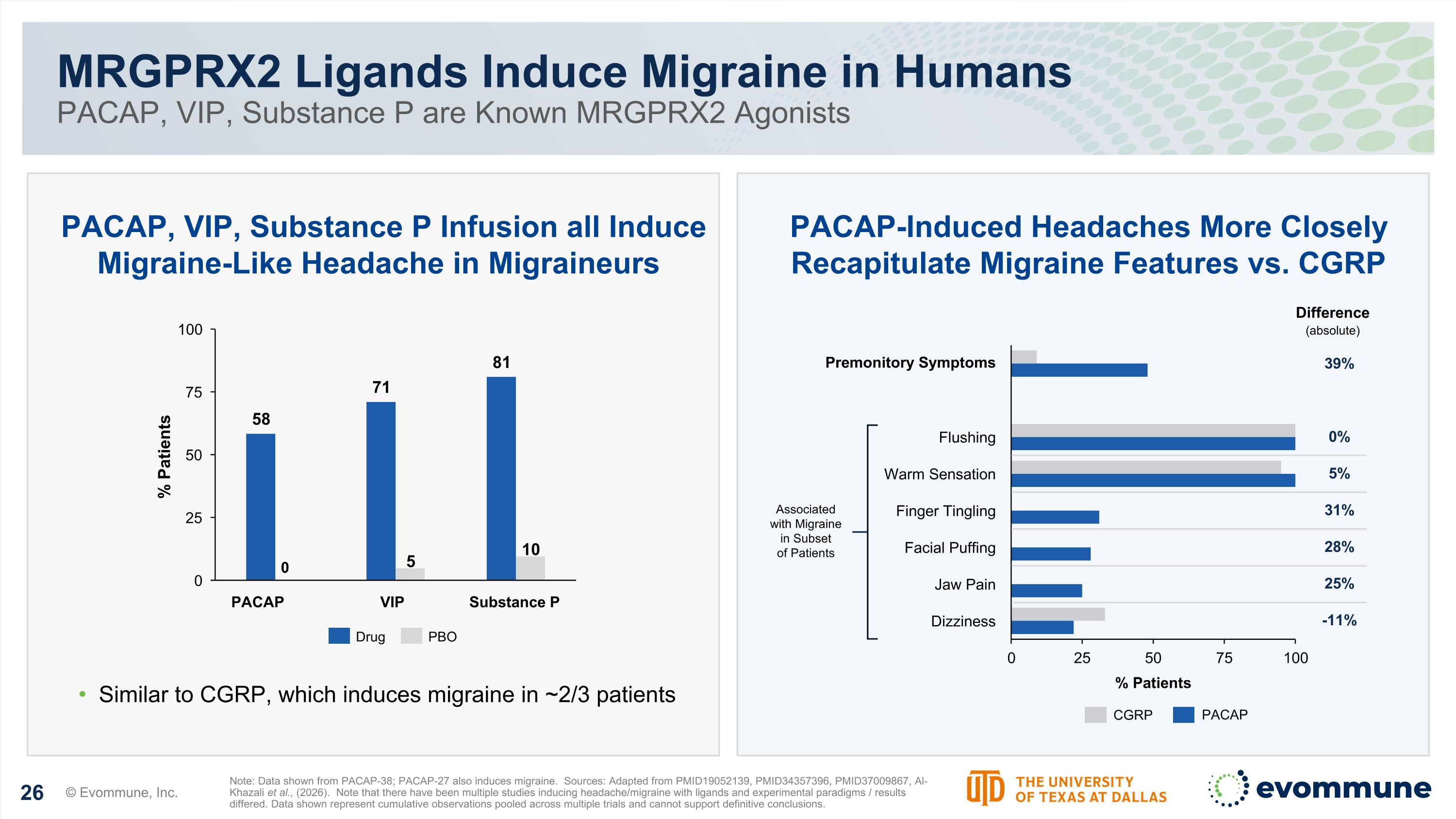
MRGPRX2 Ligands Induce Migraine in Humans PACAP, VIP, Substance P are Known MRGPRX2 Agonists © Evommune, Inc. Note: Data shown from PACAP-38; PACAP-27 also induces migraine. Sources: Adapted from PMID19052139, PMID34357396, PMID37009867, Al-Khazali et al., (2026). Note that there have been multiple studies inducing headache/migraine with ligands and experimental paradigms / results differed. Data shown represent cumulative observations pooled across multiple trials and cannot support definitive conclusions. PACAP, VIP, Substance P Infusion all Induce Migraine-Like Headache in Migraineurs PACAP-Induced Headaches More Closely Recapitulate Migraine Features vs. CGRP % Patients PACAP VIP Substance P 0 Drug PBO Similar to CGRP, which induces migraine in ~2/3 patients CGRP PACAP Associated with Migraine in Subset of Patients Difference (absolute) 39% 0% 5% -11% 25% 28% 31% Flushing Warm Sensation Finger Tingling Facial Puffing Jaw Pain Dizziness Premonitory Symptoms % Patients
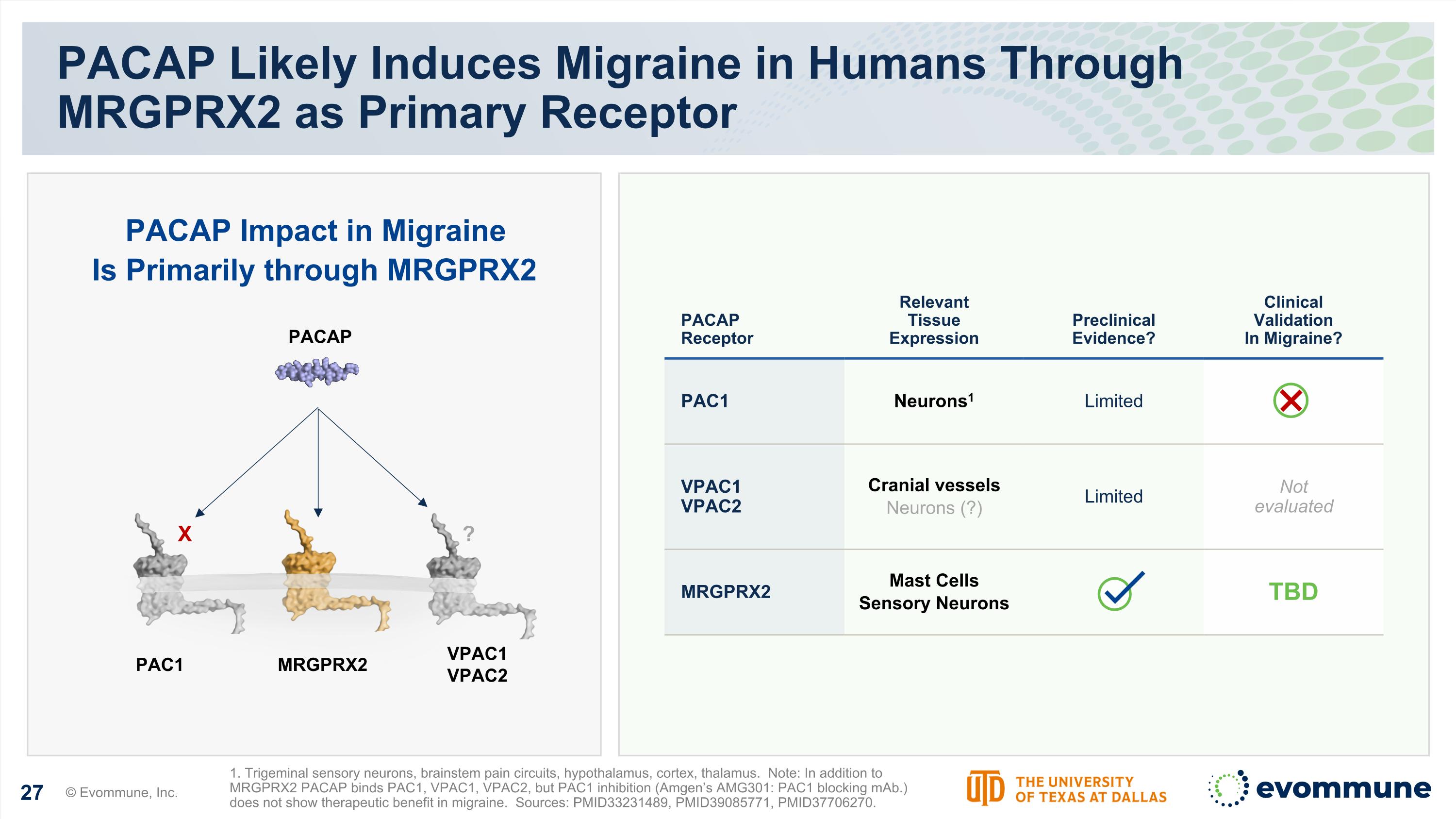
PACAP Likely Induces Migraine in Humans Through MRGPRX2 as Primary Receptor © Evommune, Inc. 1. Trigeminal sensory neurons, brainstem pain circuits, hypothalamus, cortex, thalamus. Note: In addition to MRGPRX2 PACAP binds PAC1, VPAC1, VPAC2, but PAC1 inhibition (Amgen’s AMG301: PAC1 blocking mAb.) does not show therapeutic benefit in migraine. Sources: PMID33231489, PMID39085771, PMID37706270. PACAP Impact in Migraine Is Primarily through MRGPRX2 PACAP MRGPRX2 PAC1 PACAP Receptor Relevant Tissue Expression Preclinical Evidence? Clinical Validation In Migraine? PAC1 Neurons1 Limited VPAC1 VPAC2 Cranial vessels Neurons (?) Limited Not evaluated MRGPRX2 Mast Cells Sensory Neurons TBD VPAC1 VPAC2 ? X
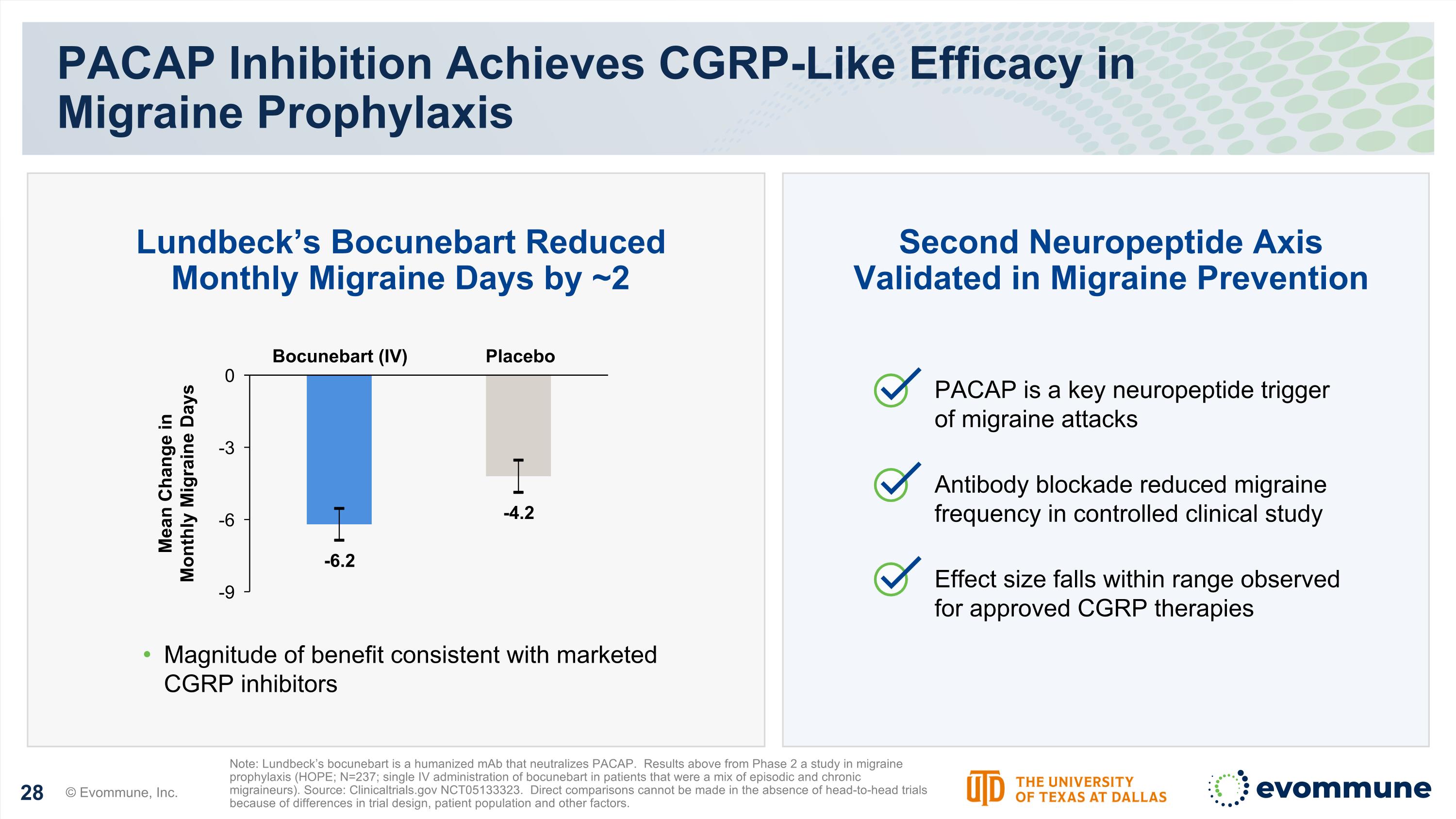
PACAP Inhibition Achieves CGRP-Like Efficacy in Migraine Prophylaxis © Evommune, Inc. Note: Lundbeck’s bocunebart is a humanized mAb that neutralizes PACAP. Results above from Phase 2 a study in migraine prophylaxis (HOPE; N=237; single IV administration of bocunebart in patients that were a mix of episodic and chronic migraineurs). Source: Clinicaltrials.gov NCT05133323. Direct comparisons cannot be made in the absence of head-to-head trials because of differences in trial design, patient population and other factors. Lundbeck’s Bocunebart Reduced Monthly Migraine Days by ~2 Second Neuropeptide Axis Validated in Migraine Prevention PACAP is a key neuropeptide trigger of migraine attacks Antibody blockade reduced migraine frequency in controlled clinical study Effect size falls within range observed for approved CGRP therapies Magnitude of benefit consistent with marketed CGRP inhibitors Mean Change in Monthly Migraine Days Bocunebart (IV) Placebo
© Evommune, Inc. EVO756 Migraine Development Program Jeegar Patel, PhD Evommune CSO
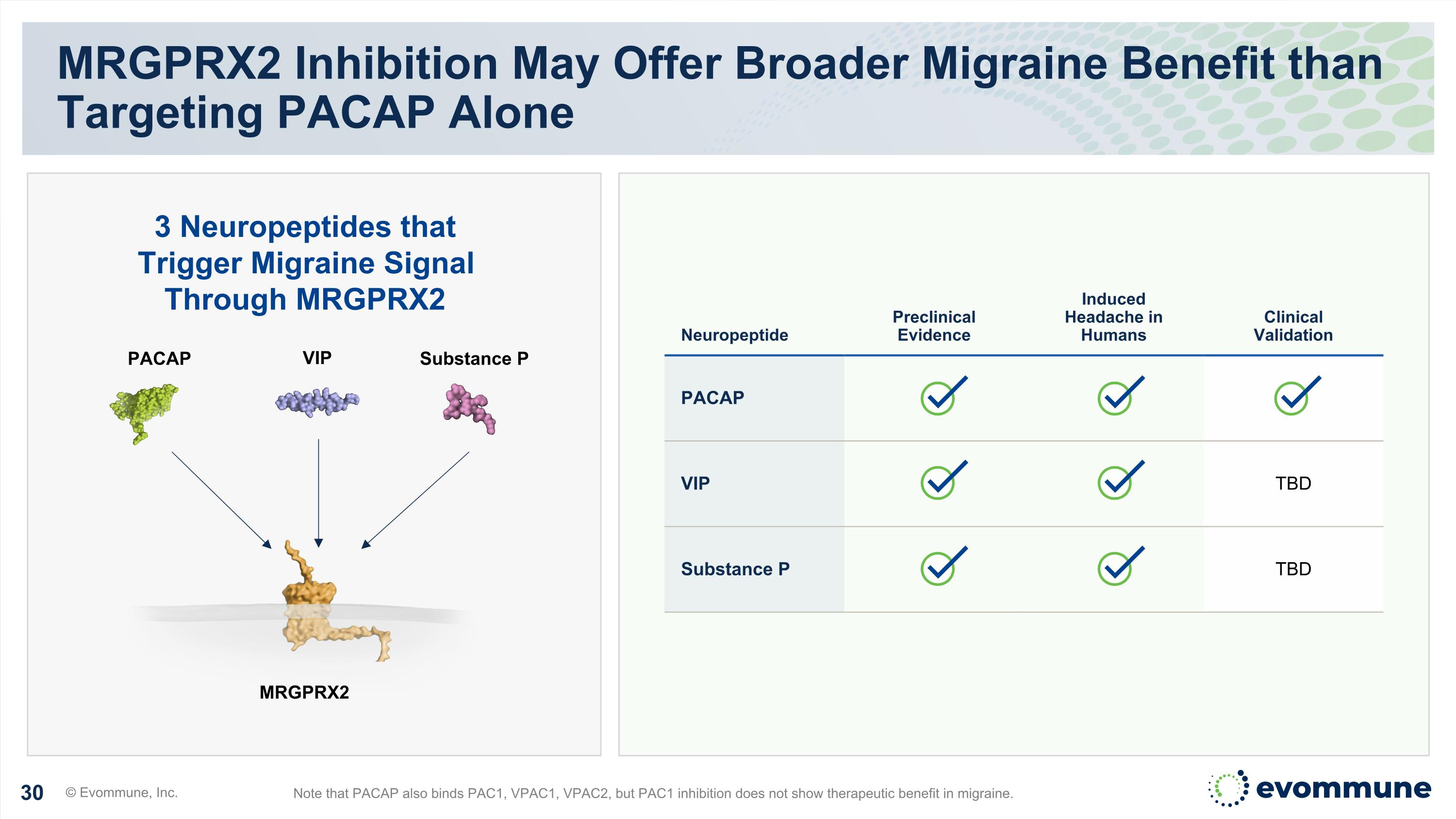
3 Neuropeptides that Trigger Migraine Signal Through MRGPRX2 Neuropeptide Preclinical Evidence Induced Headache in Humans Clinical Validation PACAP VIP TBD Substance P TBD MRGPRX2 Inhibition May Offer Broader Migraine Benefit than Targeting PACAP Alone © Evommune, Inc. Note that PACAP also binds PAC1, VPAC1, VPAC2, but PAC1 inhibition does not show therapeutic benefit in migraine. PACAP VIP Substance P MRGPRX2
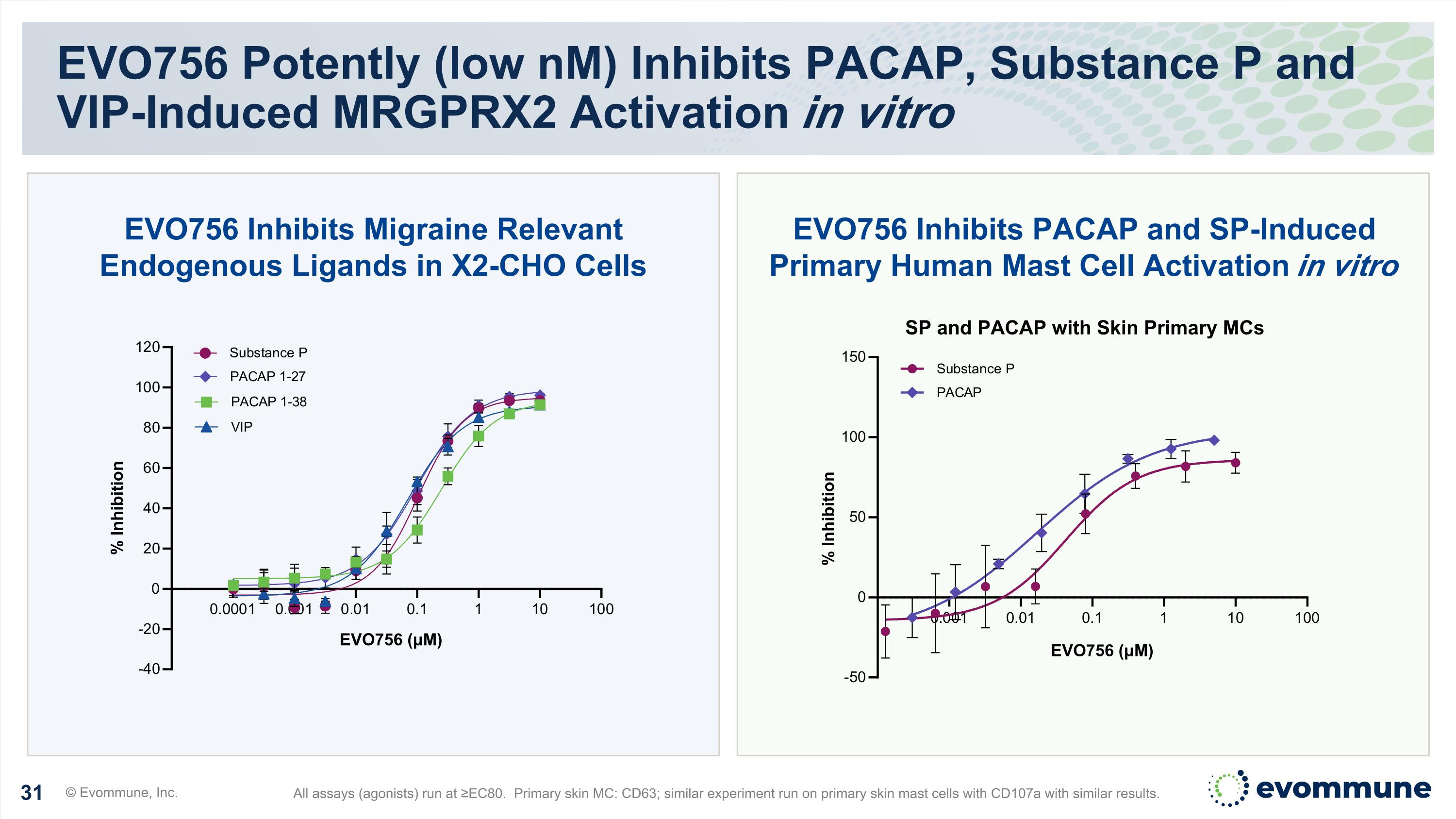
EVO756 Potently (low nM) Inhibits PACAP, Substance P and VIP-Induced MRGPRX2 Activation in vitro © Evommune, Inc. All assays (agonists) run at ≥EC80. Primary skin MC: CD63; similar experiment run on primary skin mast cells with CD107a with similar results. EVO756 Inhibits PACAP and SP-Induced Primary Human Mast Cell Activation in vitro EVO756 Inhibits Migraine Relevant Endogenous Ligands in X2-CHO Cells EVO756 (μM) % Inhibition SP and PACAP with Skin Primary MCs EVO756 (μM) % Inhibition
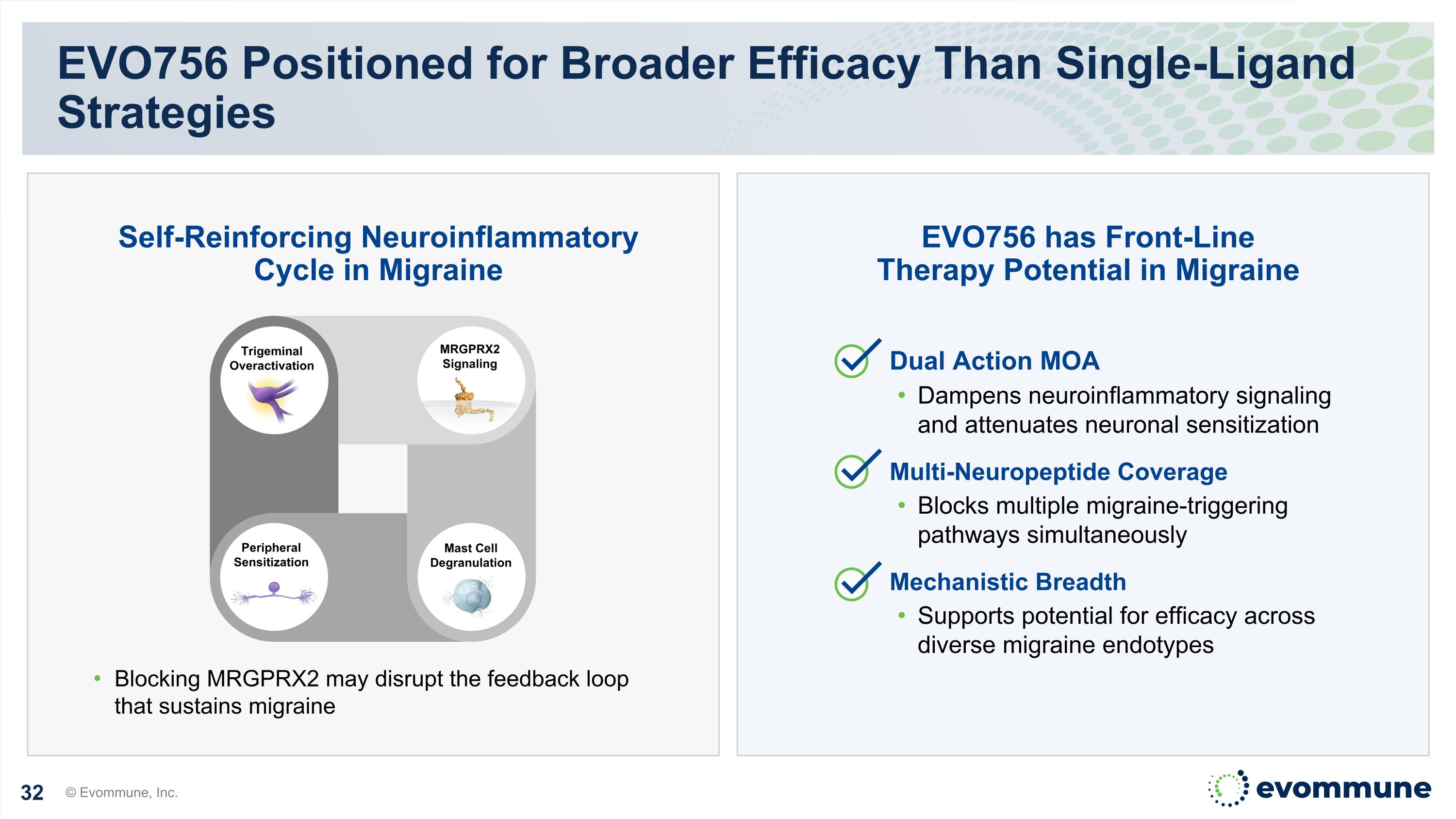
EVO756 has Front-Line Therapy Potential in Migraine EVO756 Positioned for Broader Efficacy Than Single-Ligand Strategies © Evommune, Inc. Dual Action MOA Dampens neuroinflammatory signaling and attenuates neuronal sensitization Multi-Neuropeptide Coverage Blocks multiple migraine-triggering pathways simultaneously Mechanistic Breadth Supports potential for efficacy across diverse migraine endotypes Self-Reinforcing Neuroinflammatory Cycle in Migraine Blocking MRGPRX2 may disrupt the feedback loop that sustains migraine Trigeminal Overactivation Mast Cell Degranulation MRGPRX2 Signaling Peripheral Sensitization
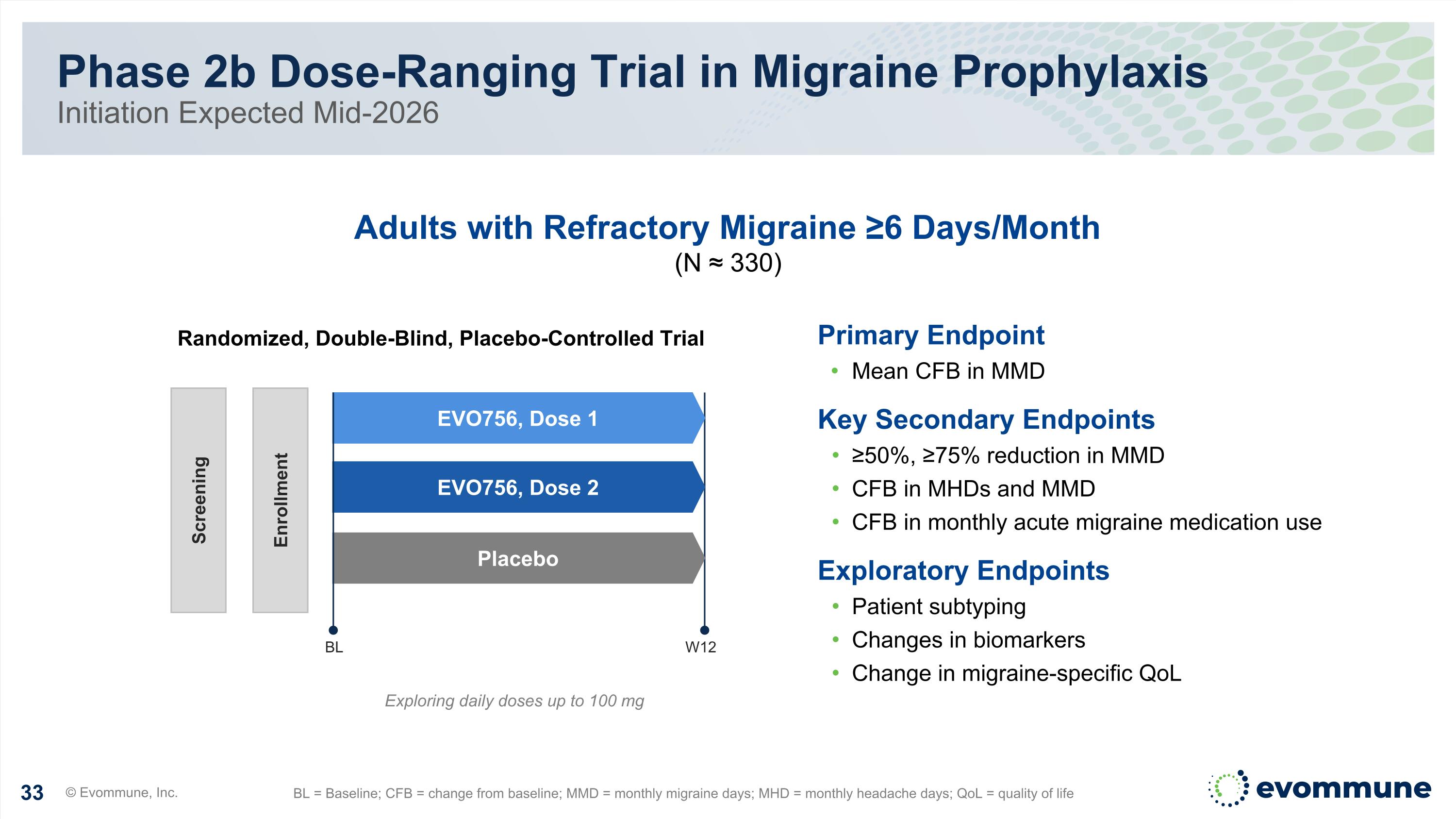
Phase 2b Dose-Ranging Trial in Migraine Prophylaxis Initiation Expected Mid-2026 © Evommune, Inc. BL = Baseline; CFB = change from baseline; MMD = monthly migraine days; MHD = monthly headache days; QoL = quality of life BL Adults with Refractory Migraine ≥6 Days/Month (N ≈ 330) Screening Enrollment W12 EVO756, Dose 1 EVO756, Dose 2 Placebo Randomized, Double-Blind, Placebo-Controlled Trial Primary Endpoint Mean CFB in MMD Key Secondary Endpoints ≥50%, ≥75% reduction in MMD CFB in MHDs and MMD CFB in monthly acute migraine medication use Exploratory Endpoints Patient subtyping Changes in biomarkers Change in migraine-specific QoL Exploring daily doses up to 100 mg
© Evommune, Inc. Closing Remarks Luis Peña Evommune President & CEO
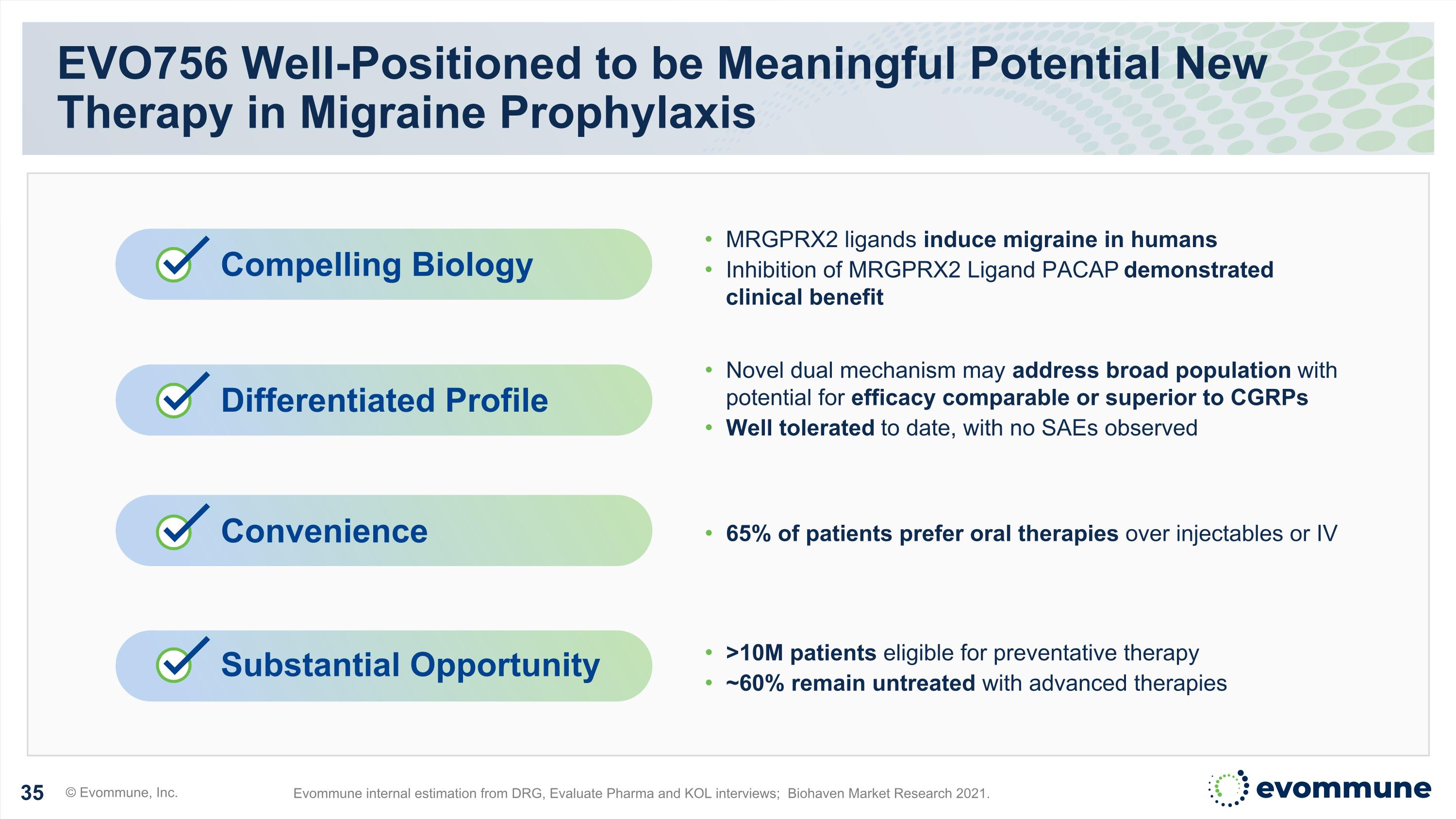
EVO756 Well-Positioned to be Meaningful Potential New Therapy in Migraine Prophylaxis © Evommune, Inc. Evommune internal estimation from DRG, Evaluate Pharma and KOL interviews; Biohaven Market Research 2021. Novel dual mechanism may address broad population with potential for efficacy comparable or superior to CGRPs Well tolerated to date, with no SAEs observed 65% of patients prefer oral therapies over injectables or IV >10M patients eligible for preventative therapy ~60% remain untreated with advanced therapies Differentiated Profile Convenience Substantial Opportunity Compelling Biology MRGPRX2 ligands induce migraine in humans Inhibition of MRGPRX2 Ligand PACAP demonstrated clinical benefit

Role of MRGPRX2 in Migraine April 13, 2026